MediaArtTutorials
W7 — Pre-Production Framework
From Concept to Production Plan
This document guides you from concept to executable production plan supporting the W7 - Pre-Production Package activities & submission.
Sections
Logline
A logline is a single-sentence summary that captures the core dramatic action and emotional shift of the film in the most concise way possible.
Logline Formulas for a 1-Minute Short
Character + Simple Action + Emotional Shift
-
A [character] [performs a clear physical action] in [specific location], leading to [emotional change].
e.g. [Rear Window, Director: Alfred Hitchcock] A bored photographer recovering from a broken leg passes the time by watching his neighbors and begins to suspect one of them of murder.
Compressed to 1-minute scale: A photographer confined to his apartment watches his neighbors through a window and slowly becomes convinced something is wrong.
Moment-Based Progression
-
As [character performs ongoing action], [emotional shift occurs].
e.g. [Groundhog Day, Director: Harold Ramis] A narcissistic, self-centered and frustrated weatherman finds himself caught in a time warp loop on Groundhog Day, where he wakes up every morning having to face the same day again and again.
Compressed to 1-minute scale: As a man relives the same morning routine again, his frustration slowly turns into desperation.
Situation + Small Change
-
In [specific situation], a [character] experiences [shift] while [visible action].
e.g. [Before Sunrise, Director: Richard Linklater] A young man and woman meet on a train in Europe, and wind up spending one evening together in Vienna. Unfortunately, both know that this will probably be their only night together.
Compressed to 1-minute scale: In a train compartment, two strangers sit in silence, gradually becoming aware of one another through small gestures.
Object-Focused
-
A [character] interacts with [object] in [location], revealing [emotional shift].
e.g. [WALL·E, Director: Andrew Stanton] A robot who is responsible for cleaning a waste-covered Earth meets another robot and falls in love with her. Together, they set out on a journey that will alter the fate of mankind.
Compressed to 1-minute scale: A lonely robot sorting through discarded objects pauses over one item, revealing an unexpected sense of attachment.
🔗 Movie Logline Examples for Screenwriters (IMDb)
Script
A script is a production document that translates your logline into clear, shootable action.
For this project, your script must communicate a complete one-minute visual event using only behavior and environment with the followin structure:
- Slugline or Scene Heading
- Visual Script
- Transitions
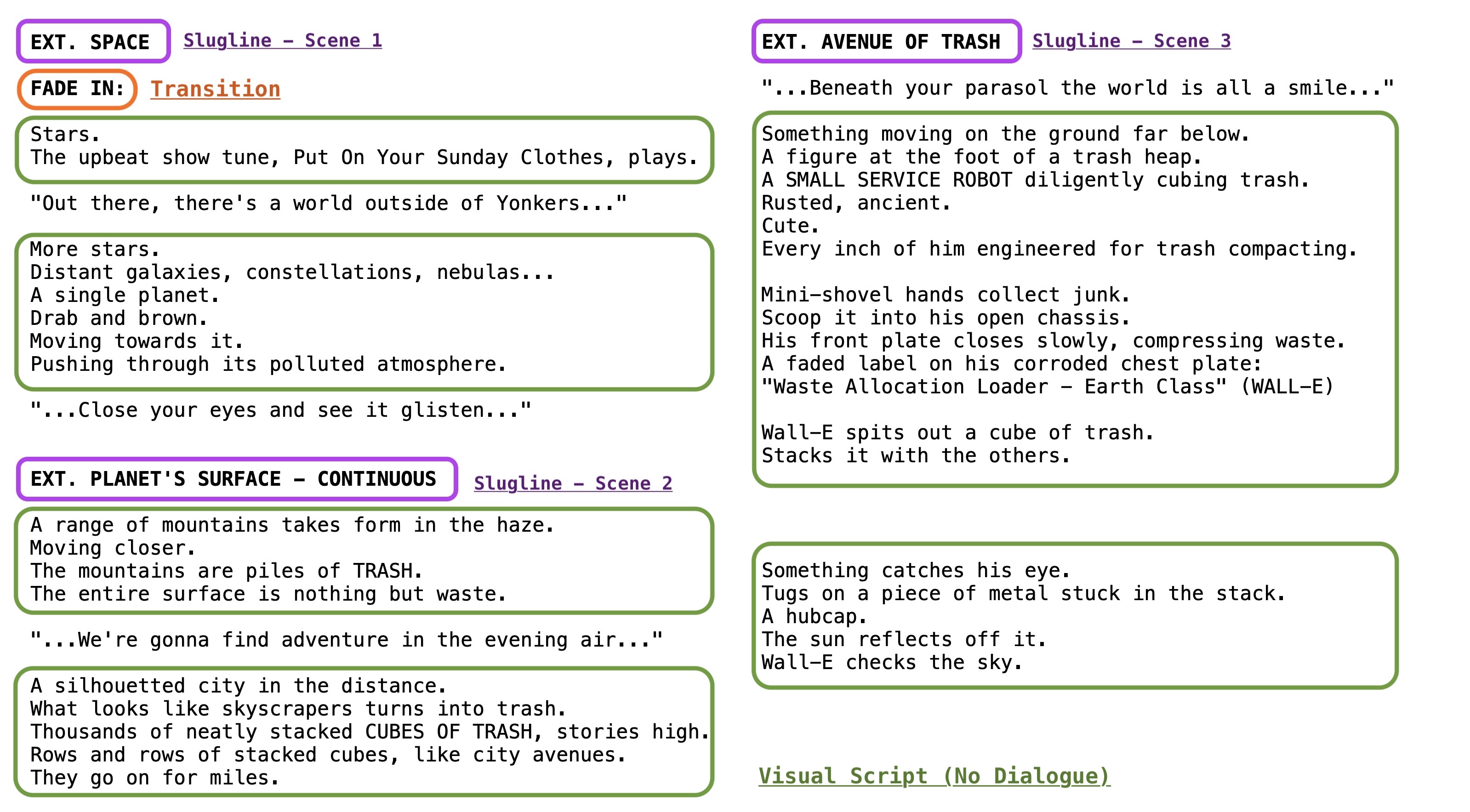
e.g. WALL·E, Script written by Andrew Stanton & Pete Docter (first three scenes)
Slugline or Scene Heading
Each change in space is marked with a new slugline.
Slugline Formula:
INT./EXT. + Specific Location + Time of Day
INT. CLASSROOM – NIGHT EXT. BUS STOP – LATE AFTERNOON
INT. DORM ROOM – EARLY MORNING
A new scene is required only if there is:
- A change in location/space
- A change in time (morning → night, “later”)
- A shift from INT. to EXT.
Continuous movement within the same space does not create a new scene.
Transitions
A transition indicates movement between scenes or the ending of a sequence.
In a one-minute film, transitions should be minimal.
Common Transitions:
Fade In / Fade Out
The image gradually appears from black (FADE IN) or disappears to black (FADE OUT).

Cut To
An immediate change from one shot or scene to another. This is the most common and neutral transition.
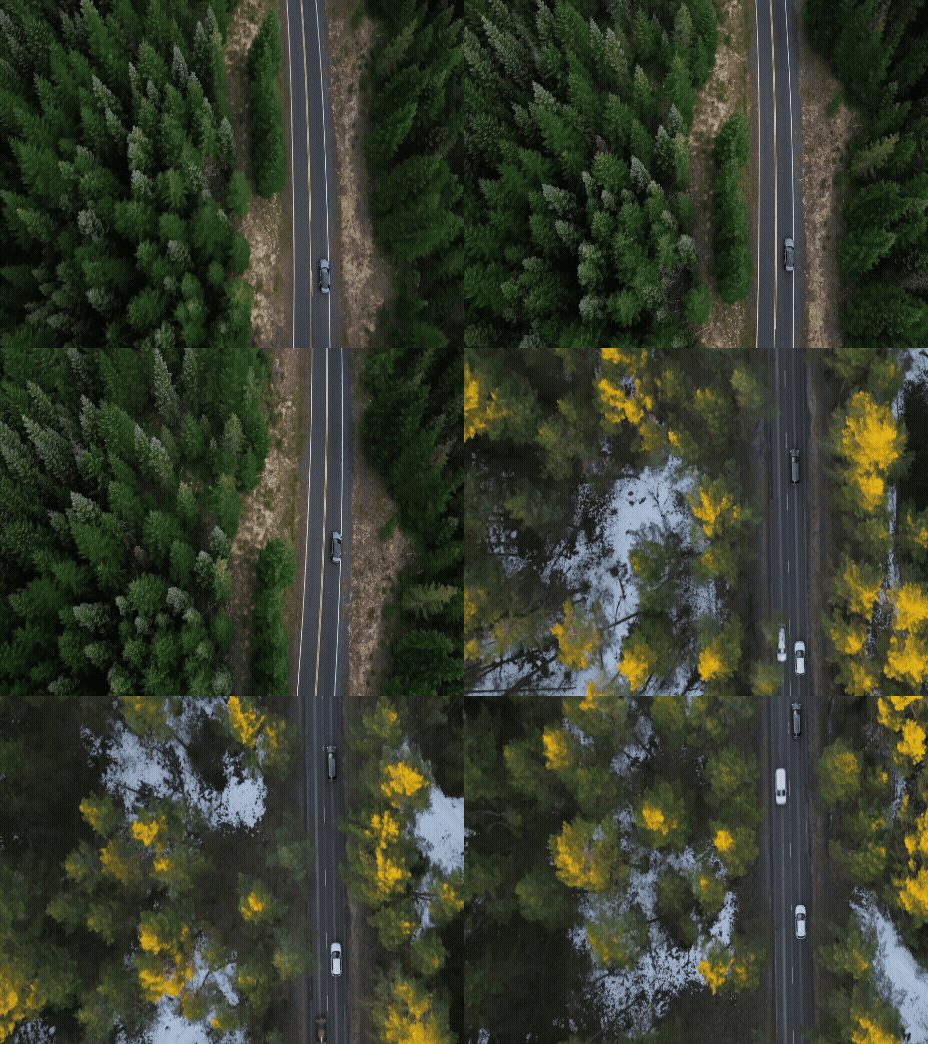
Dissolve (Cross-Dissolve)
One image gradually blends into another. Often used to suggest the passage of time or a soft emotional shift.
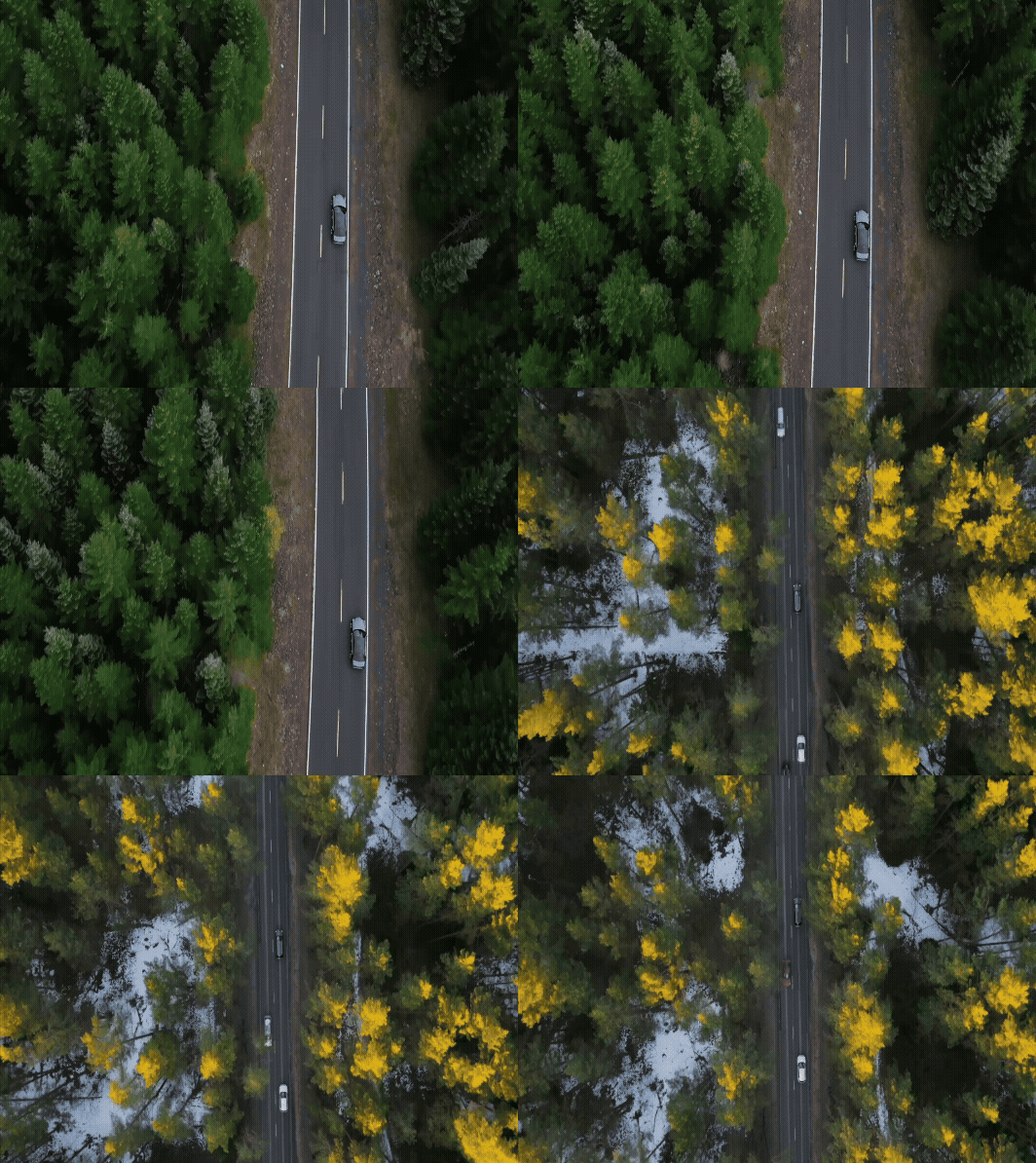
Hard Cut
An abrupt, sharp cut with no visual or sound smoothing. Can create tension, surprise, or emphasis
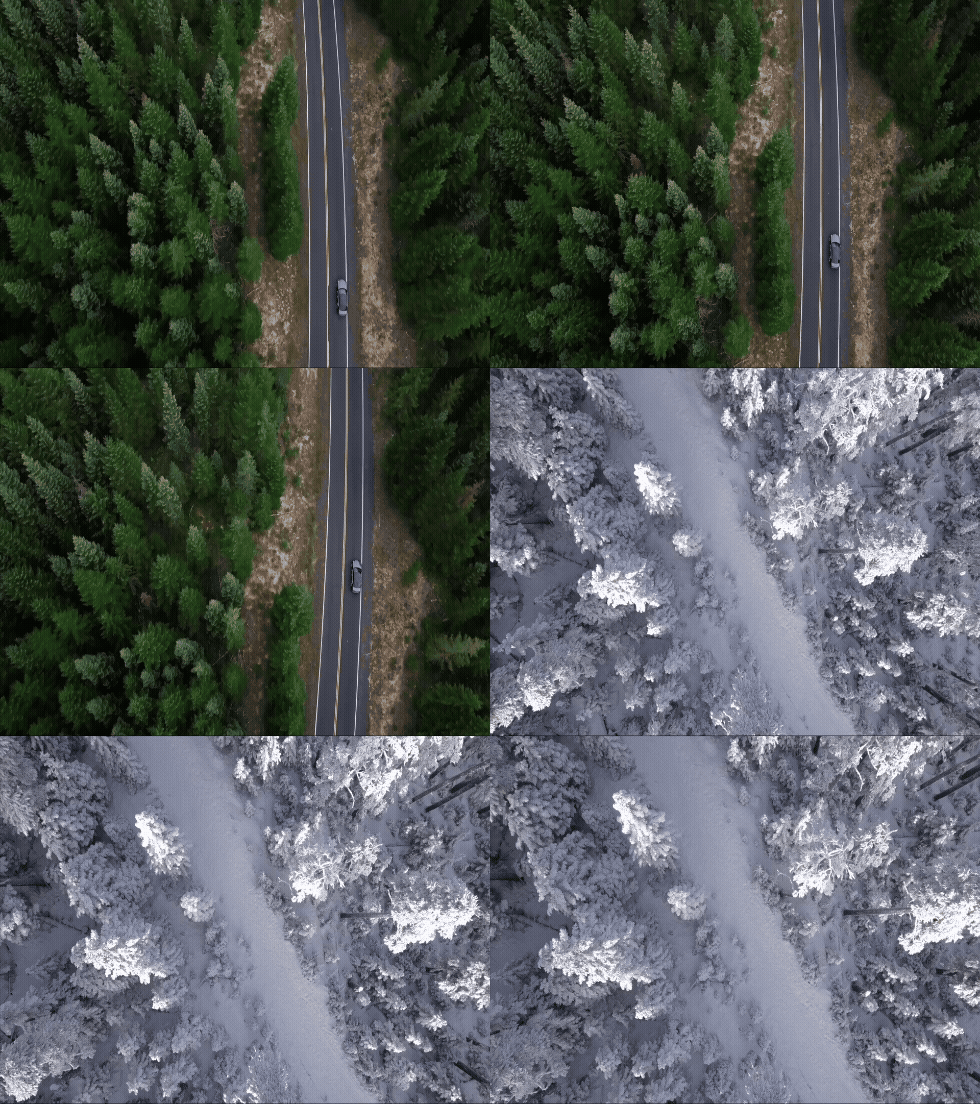
Jump Cut
A cut within the same shot that creates a visible “jump” in time. Often used to compress time or create unease.
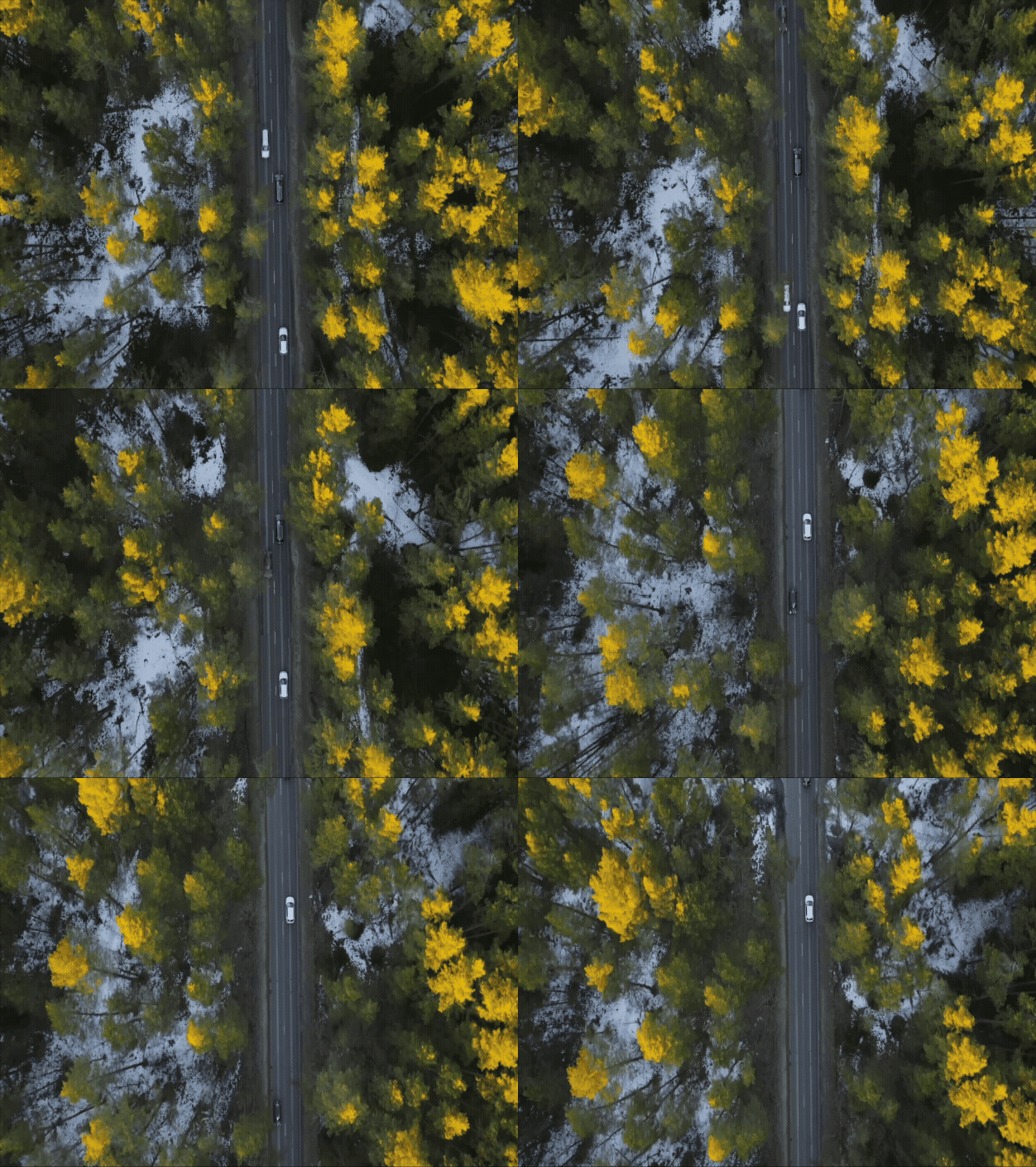
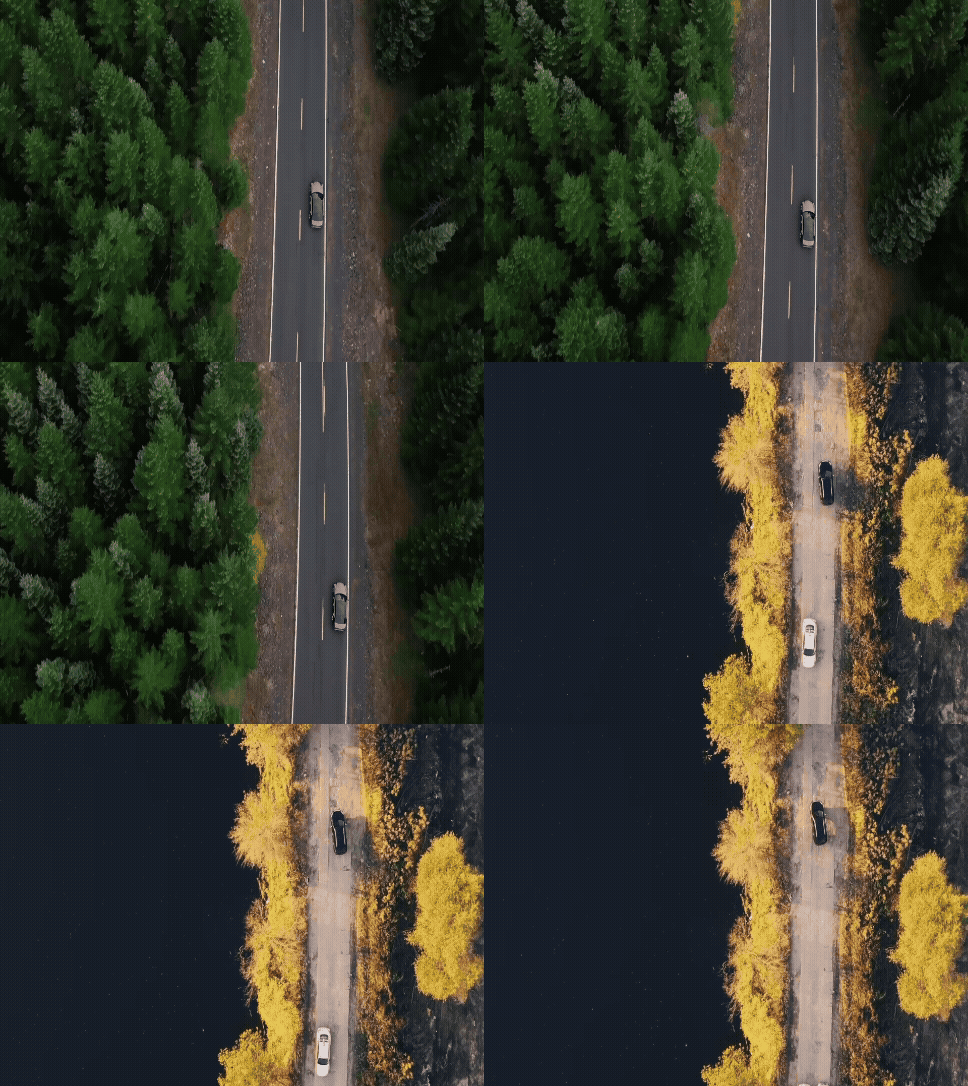
Match Cut
A cut that connects two shots through similar composition, movement, or action.
Visual Script (Action Only)
This is the body of your screenplay, describing:
- Physical behavior
- Movement
- Interaction with objects
- Spatial relationships
- Environmental details that affect action
Visual Script Formula:
Character + Clear Physical Action + Environmental Context
A [character] performs [specific physical action] in [location], revealing emotion through behavior.
Example: WALL·E - Script written by Andrew Stanton & Pete Docter
The early script describes action like this:
- A vast landscape of trash.
- A small robot methodically stacking cubes.
- Silence, dust, mechanical movement.
🔗 WALL·E – Full Script (IMSDB)
Annotated Storyboard
An annotated storyboard translates your script into a visual production plan.
A storyboard is divided into shots. A new shot occurs when:
- You change framing
- You change camera angle
- You change camera position
Structure
- Shot #
- Estimated Duration
- Shot Type
- Camera Angle
- Camera Movement
- One-Sentence Action Description
- Lighting Plan
- Sound Plan
- Equipment Needed
Example: Parasite - Directed by Bong Joon-ho
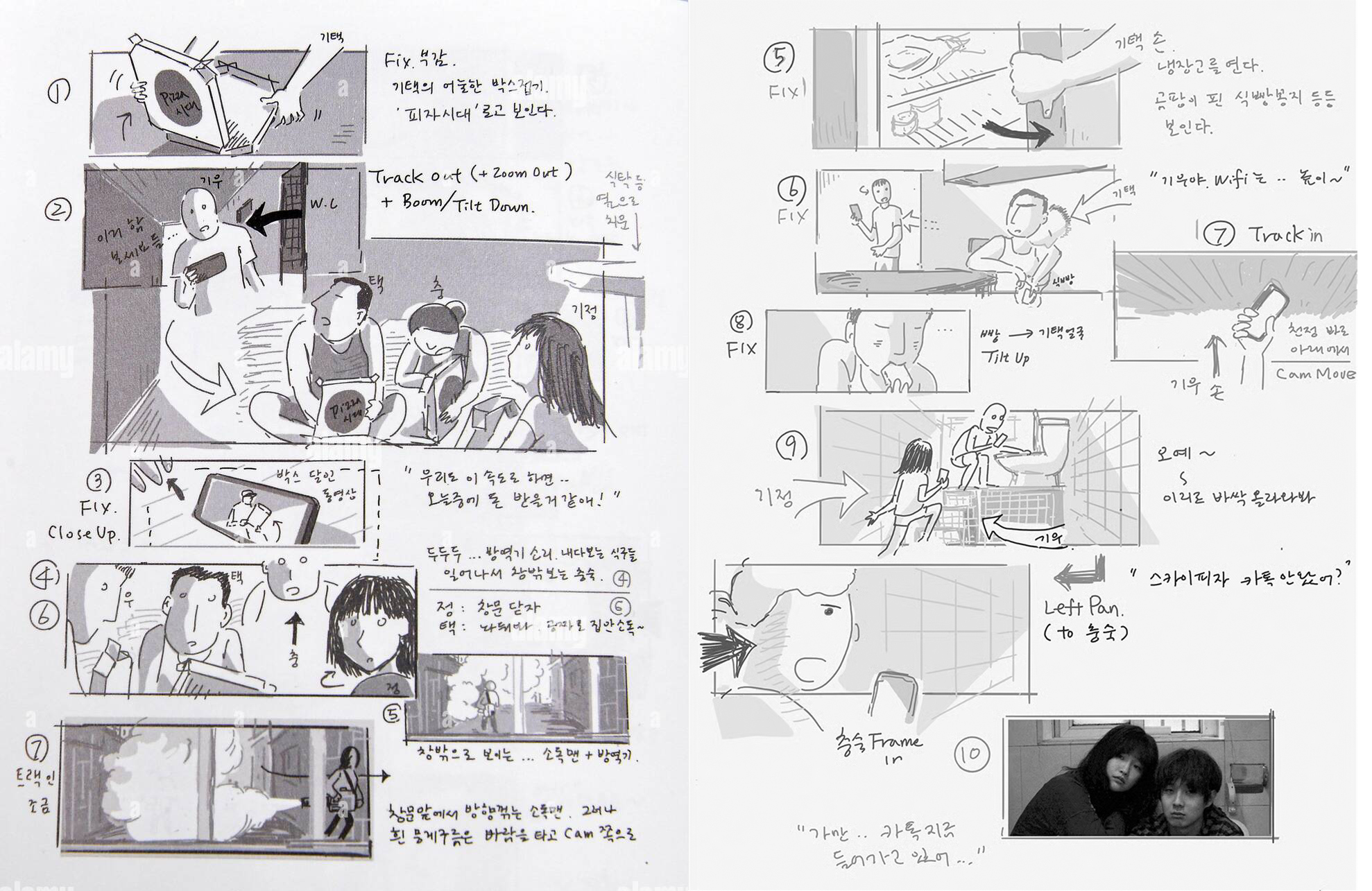
🔗 46 Storyboard Examples from Movies, Animation, and Games
Shot Types
Shot types indicate the camera’s distance from the subject, shaping how much of the environment is visible and how emotionally close the viewer feels to the action.
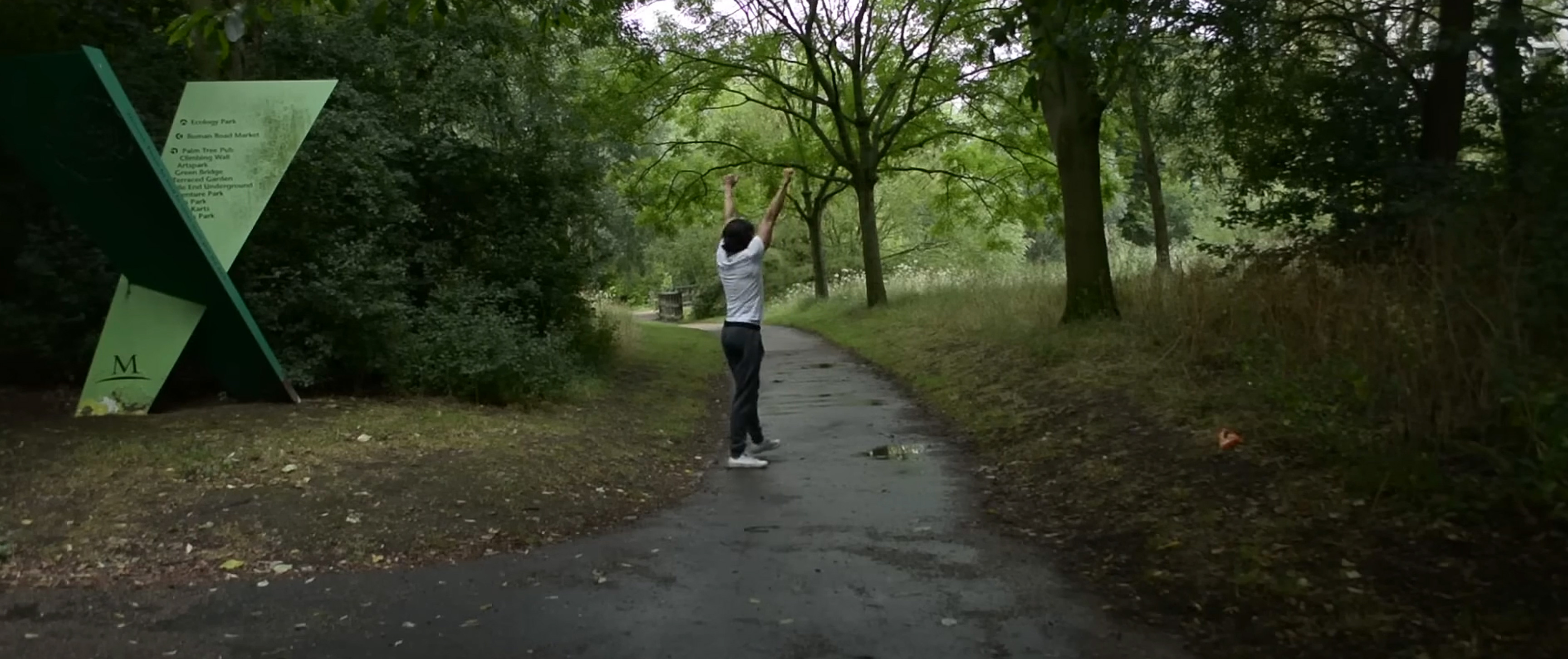
WLS - Wide/Long Shot
Captures a subject from a significant distance
e.g. The Jump by Adrian León
FS - Full Shot
Subject fully framed
e.g. Alone by Shane P. Liao
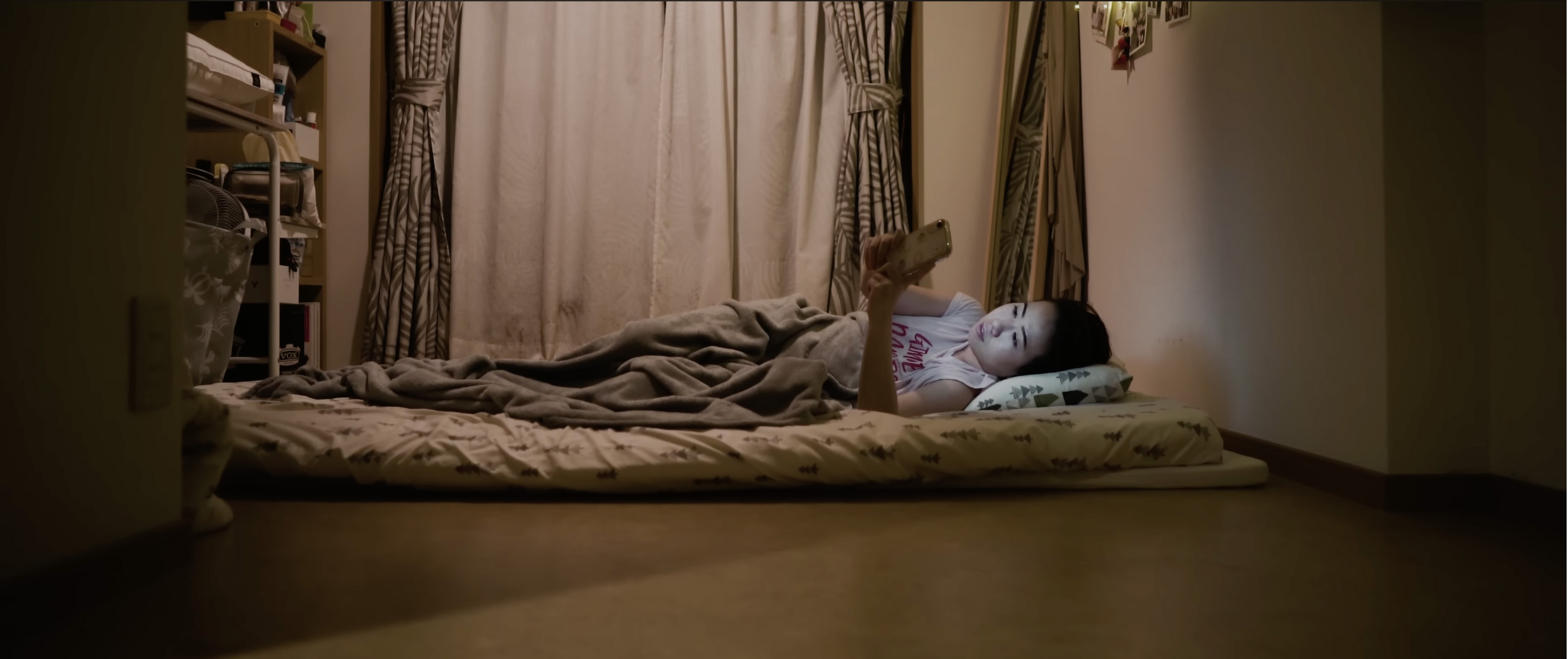
MWS - Medium Wide Shot
Knees up
e.g. suitcase by Visuall kris
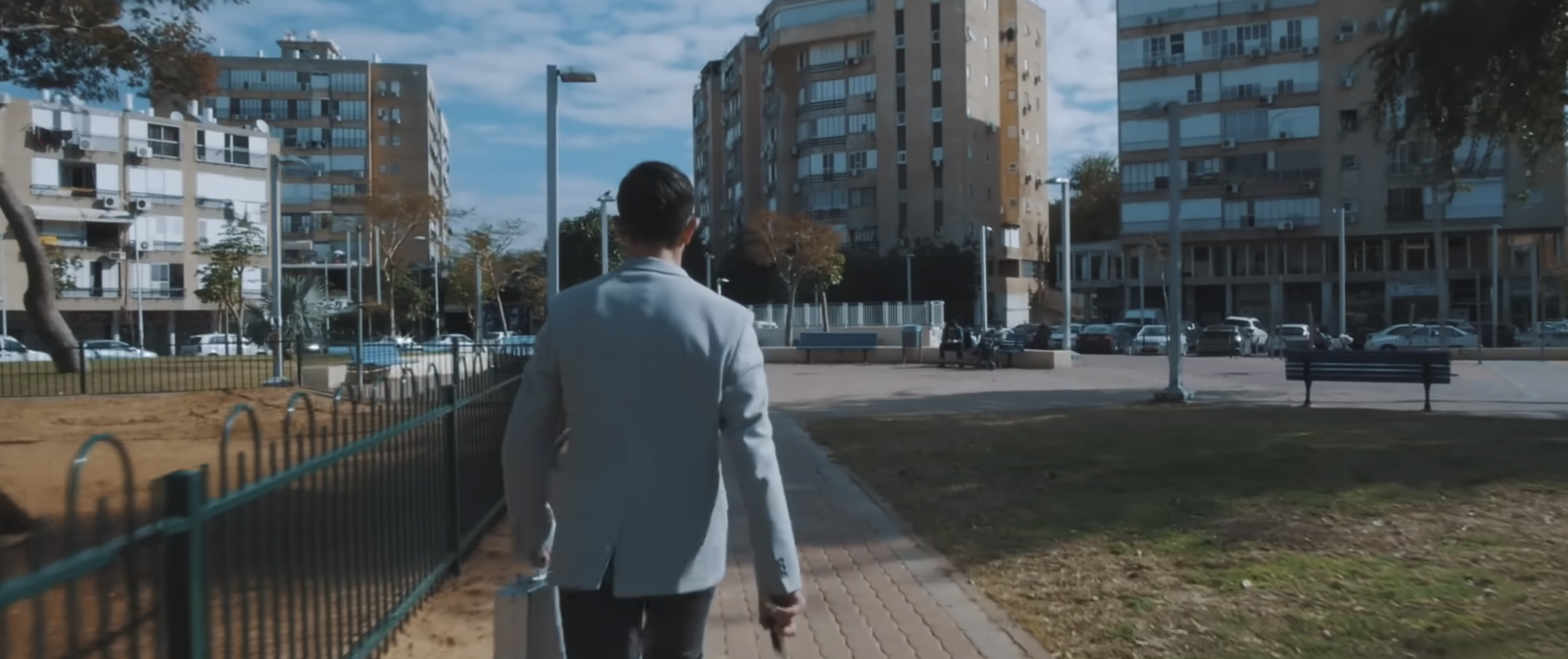
Frame within a frame
Use environmental elements (doorways, windows, etc.) to enclose a subject within the main camera frame
e.g. Anonymous Gift by Michael Kitka
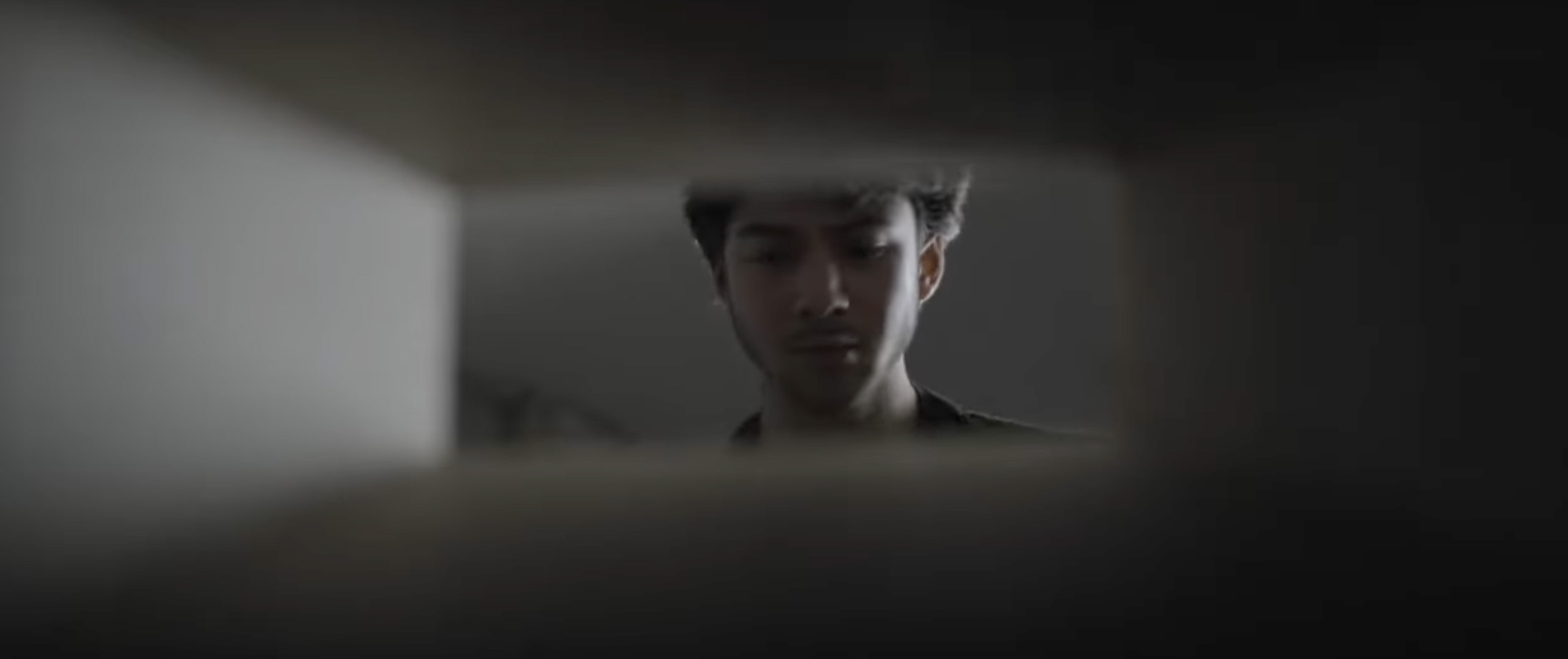
MS - Medium Shot
Waist up
e.g. For Milo by Matthew D Gilpin
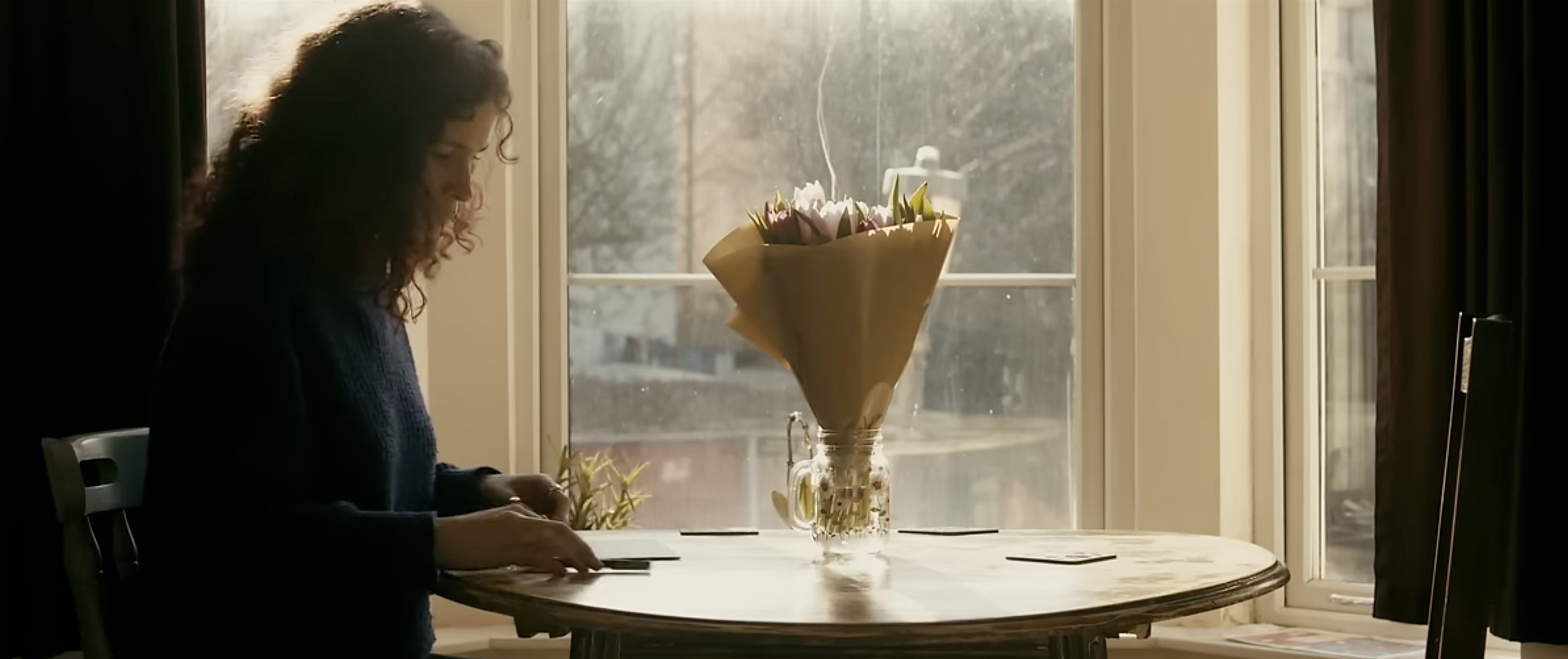
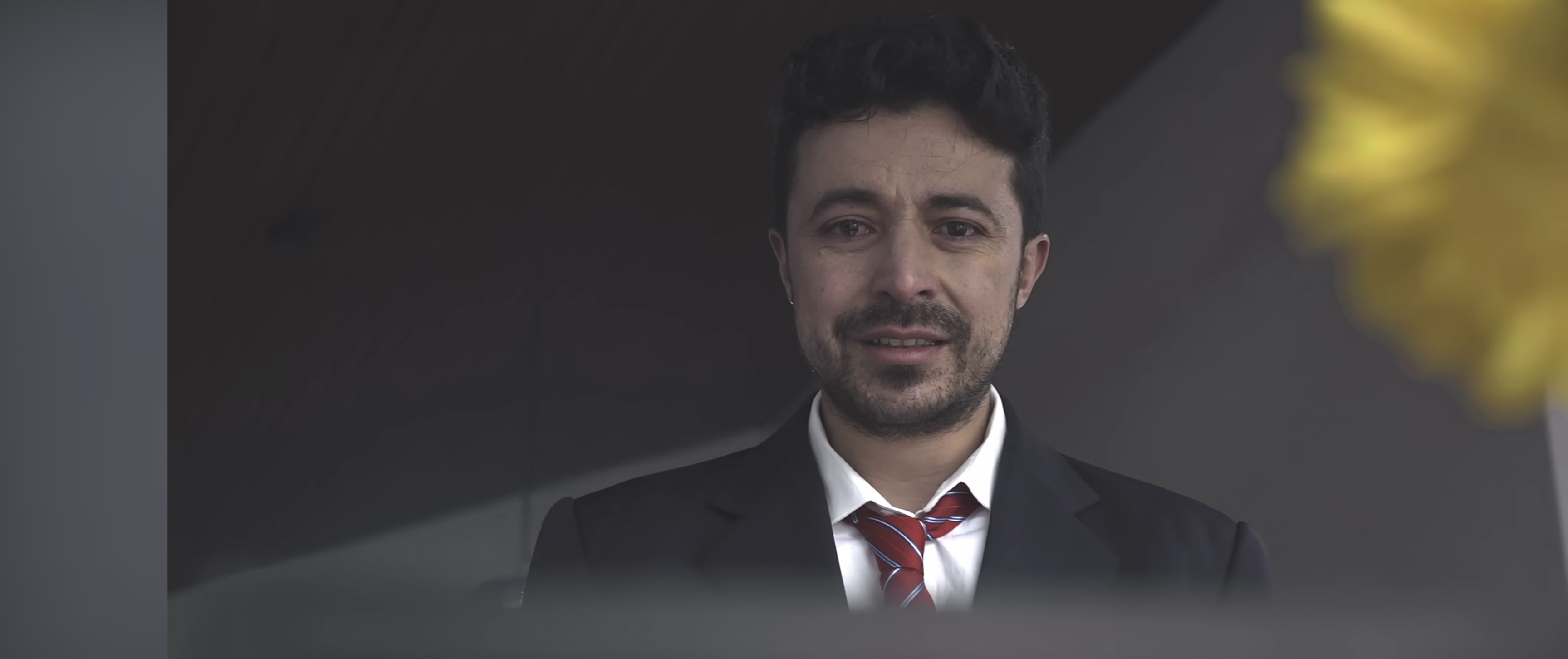
MCU - Medium Close-Up
Chest/shoulders up
e.g. PAREIDOLIA by Carlos Andrés Reyes
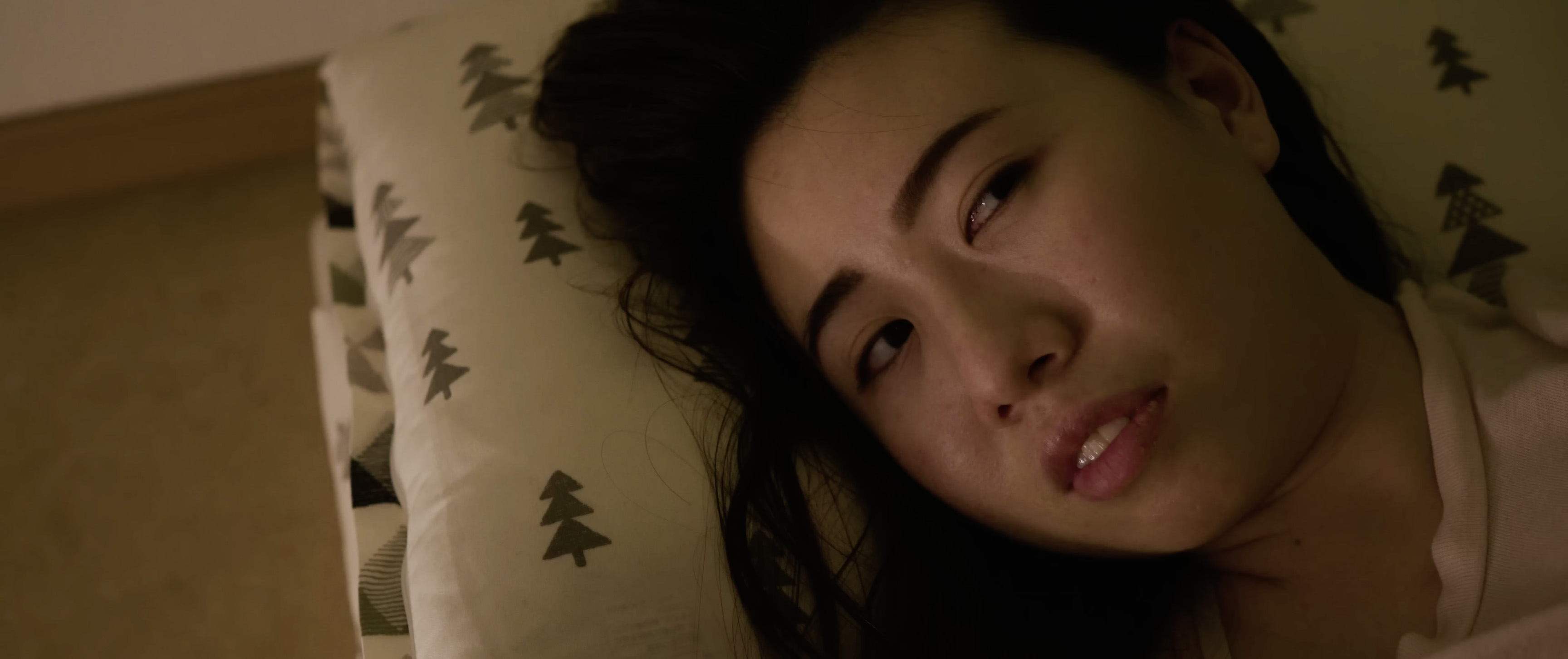
CU - Close Up
Face or object fills frame
e.g. Alone by Shane P. Liao
Camera Angles
Camera angles indicate the camera’s vertical relationship to the subject, shaping how the viewer perceives power, vulnerability, balance, and psychological tension within the frame.
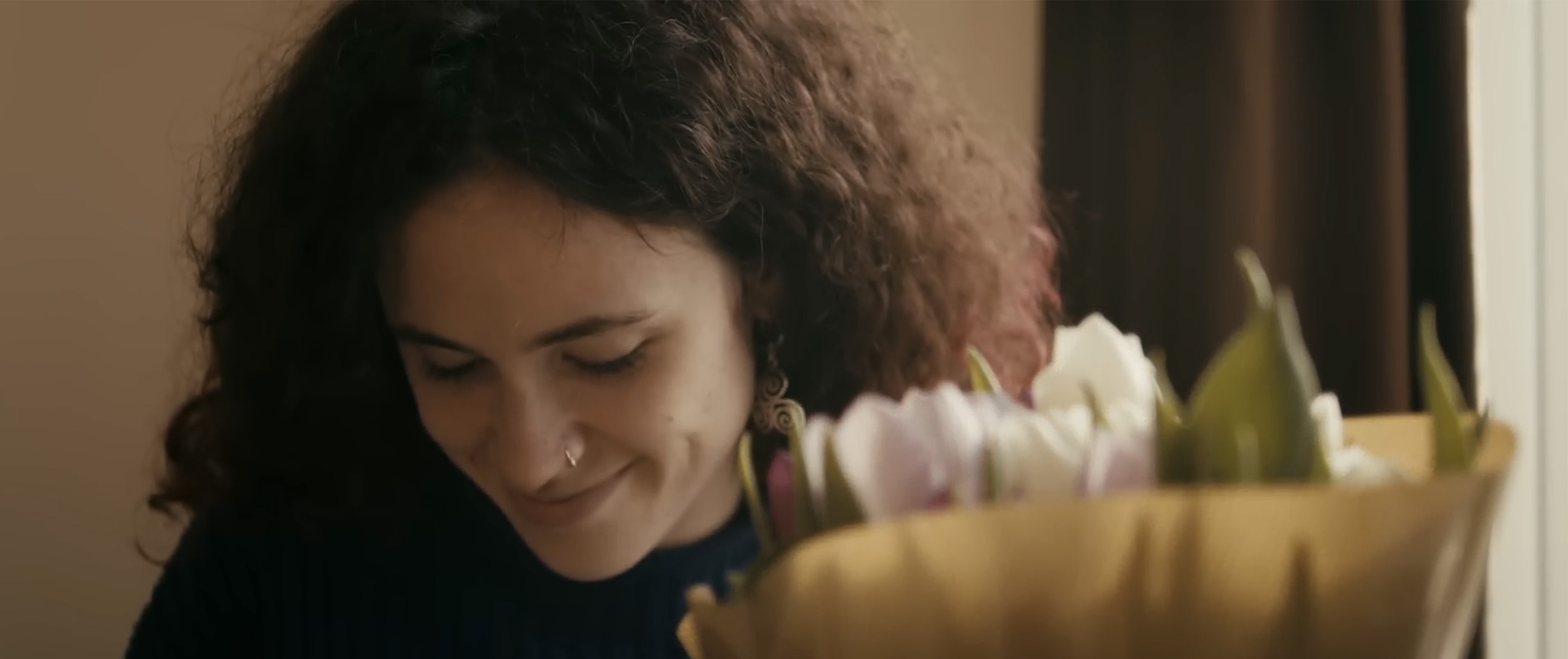
Eye-Level
The camera is positioned at the subject’s eye height - realistic perspective that mimics human vision.
e.g. For Milo by Matthew D Gilpin
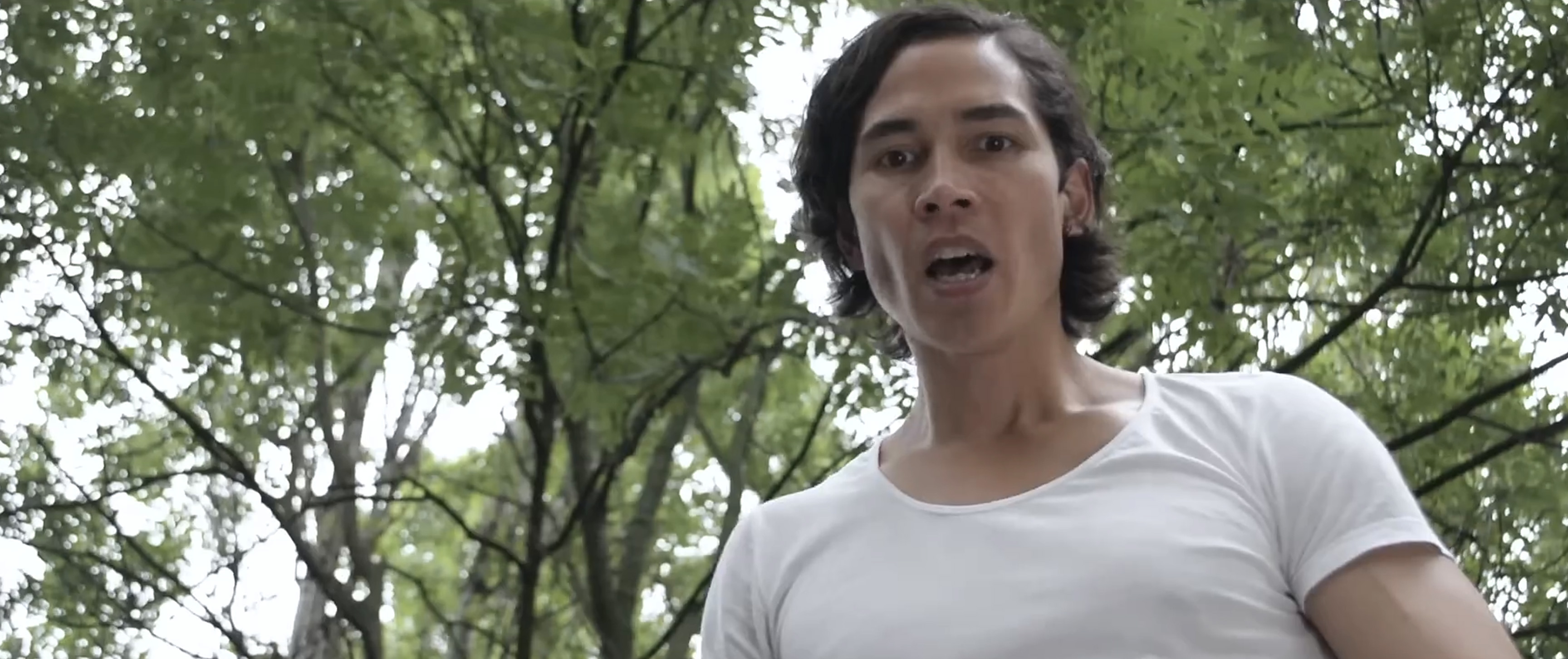
Low Angle
The camera looks up at the subject - suggest dominance, power, authority, or psychological weight.
e.g. Jump by Adrian León
Overhead / Bird’s-Eye View
The camera looks directly down from above - creates distance, abstraction, or a sense of observation.
e.g. Alone by Shane P. Liao
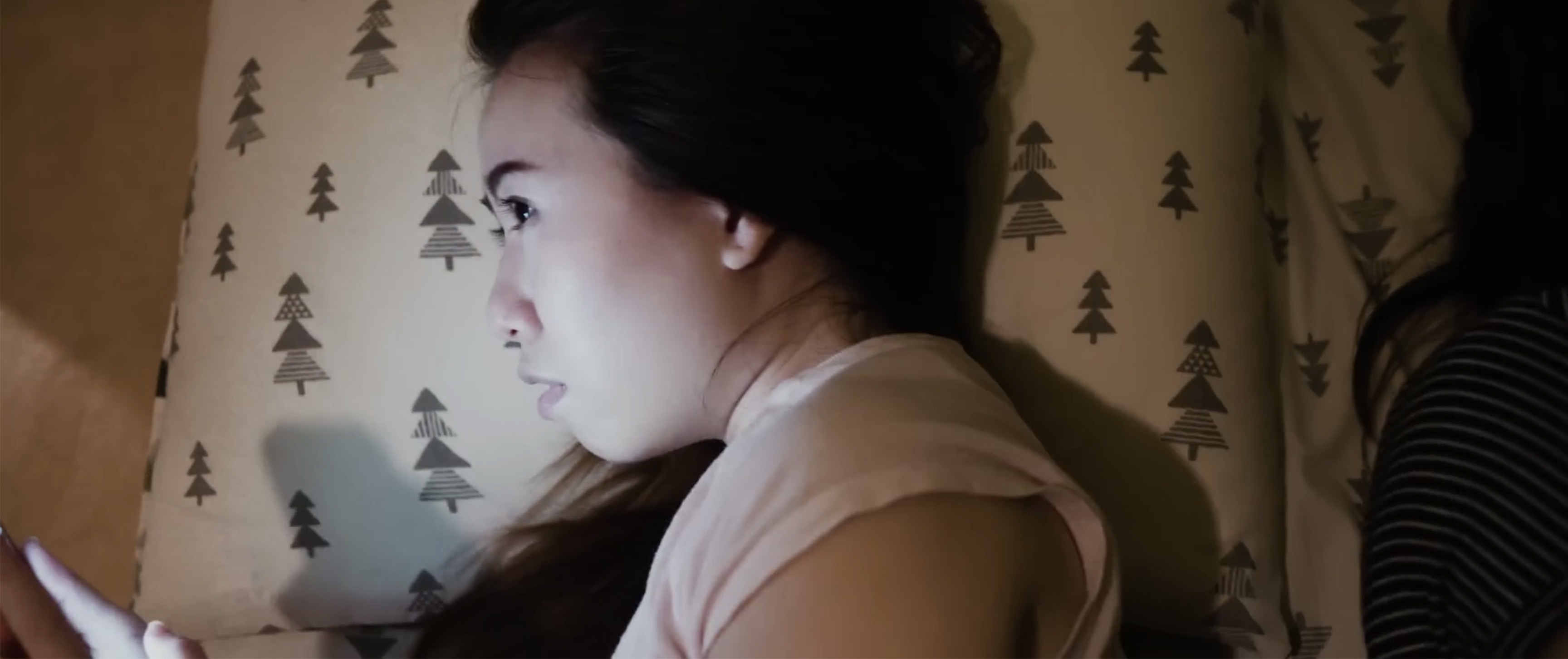
OTS - Over-the-Shoulder
Camera is positioned behind one character - creates relational perspective and emotional alignment.
e.g. Unknown by Akil Joefield
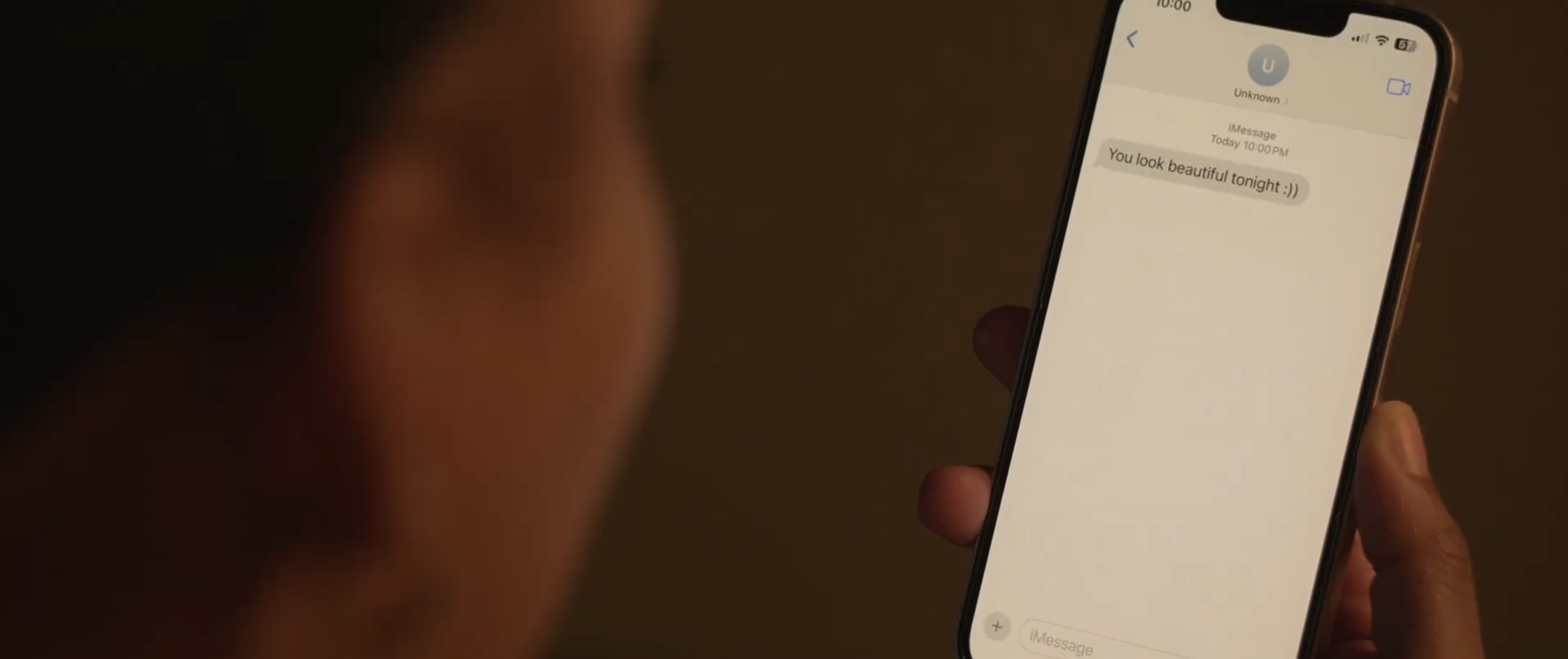
Dutch Angle (Tilted Frame)
Camera is tilted so the horizon is slanted - creates instability, tension, or psychological imbalance.
e.g. Anonymous Gift by Michael Kitka
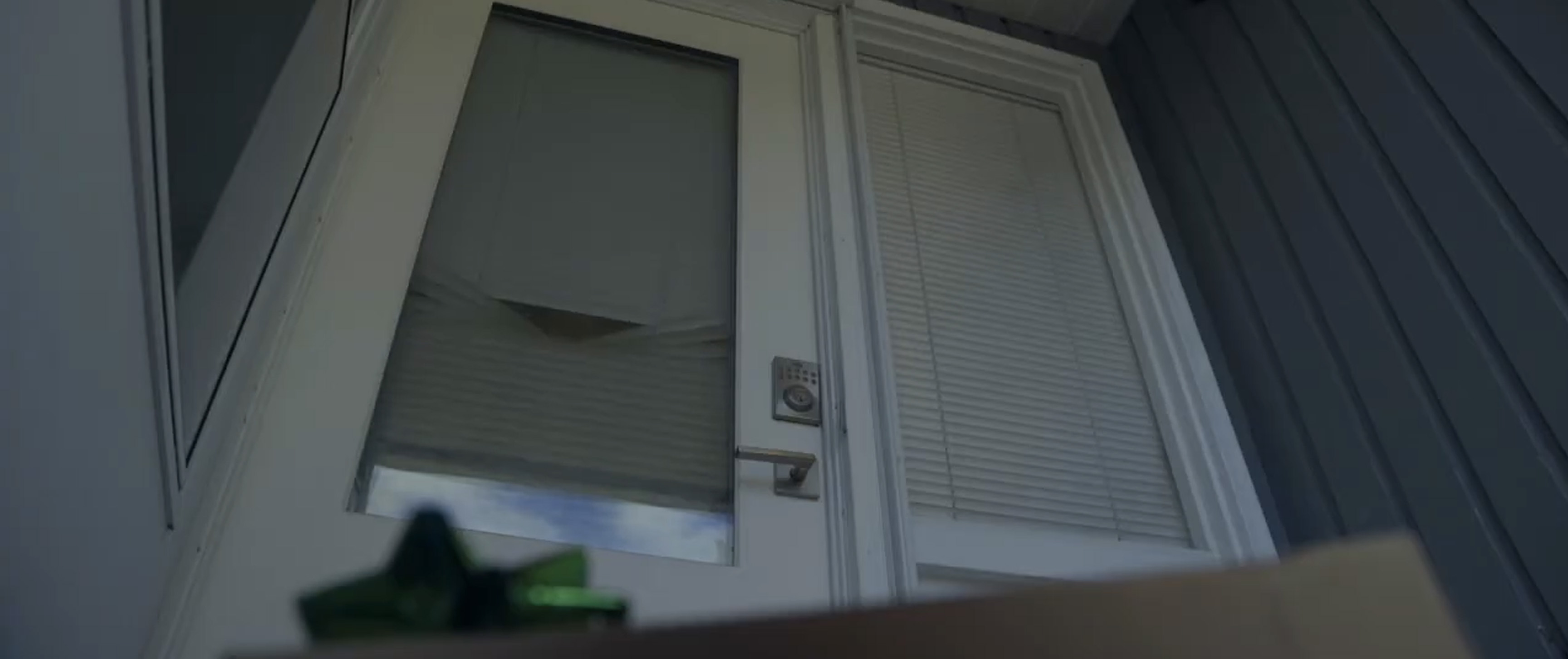
POV - Point of View
The camera shows exactly what a character sees - immerses the viewer in their visual experience.
e.g. Anonymous Gift by Michael Kitka
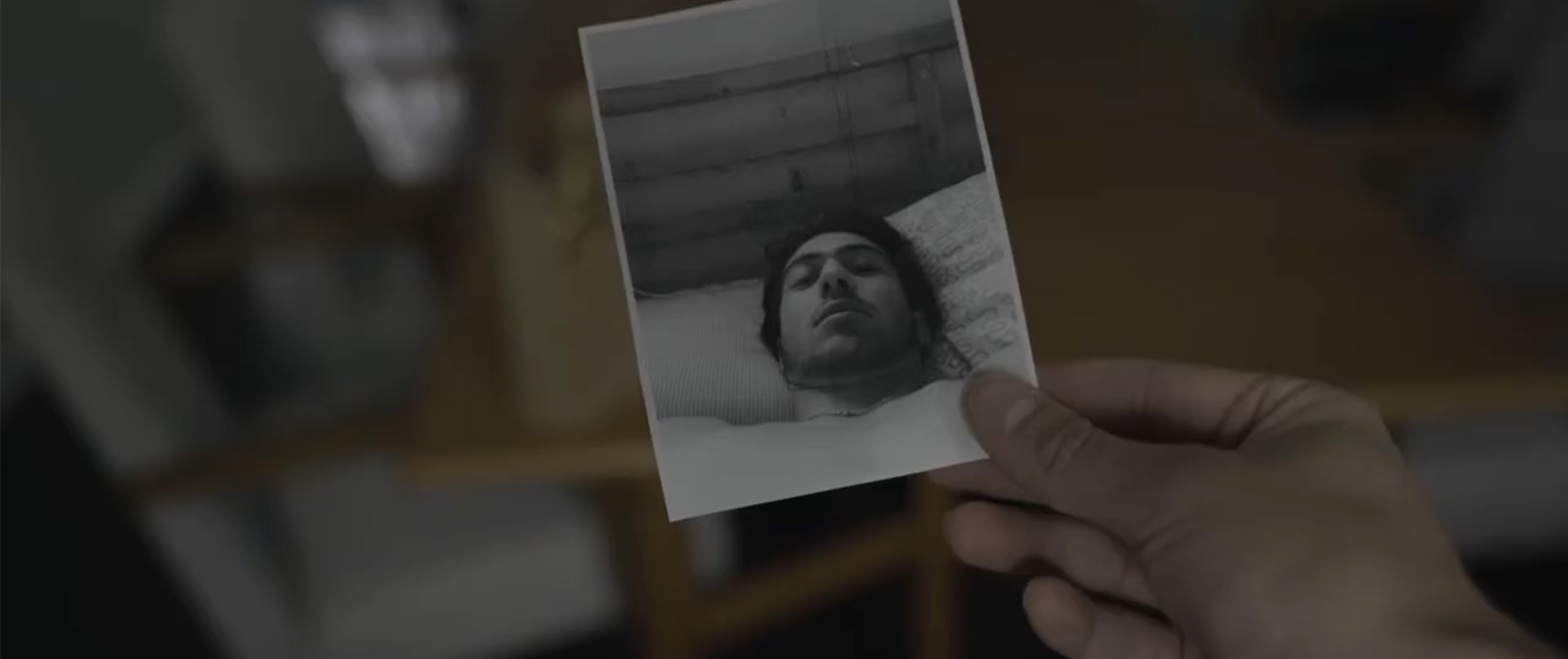
Camera Movements
Camera movements indicate if and how the camera moves during the shot.
Movement must be realistic for your equipment. Options:
Static
Camera remains still.
Most realistic and most controllable.
e.g. Milo by Matthew D Gilpin

Pan
Camera rotates left or right on a fixed base.
Realistic if on a tripod.
e.g. Kick Me by Jefferies Brothers
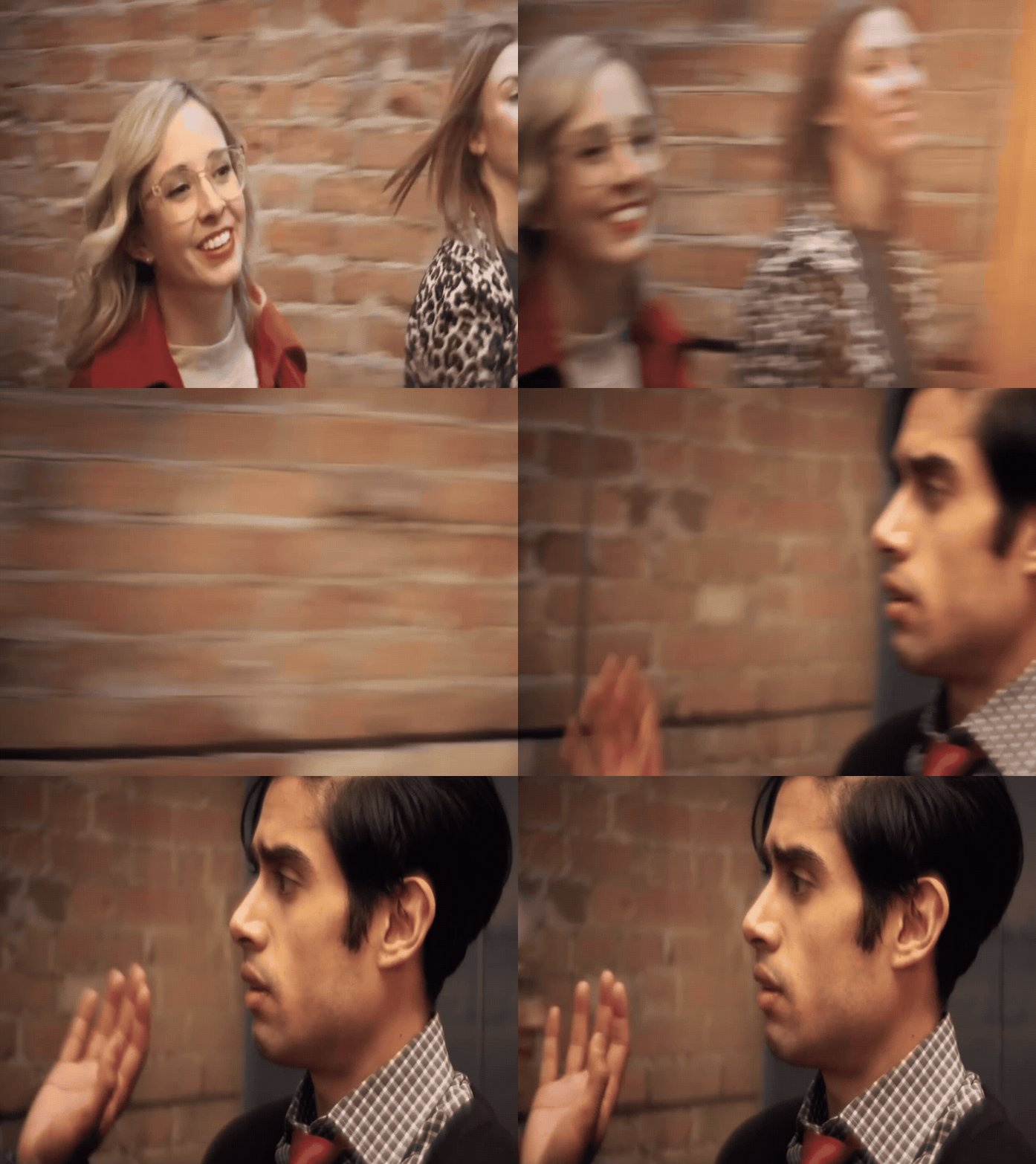
Dolly
Camera moves forward or backward toward/away from subject.
⚠️ There are only three dollies available to book.
e.g. 2 AM COFFEE by Forrain
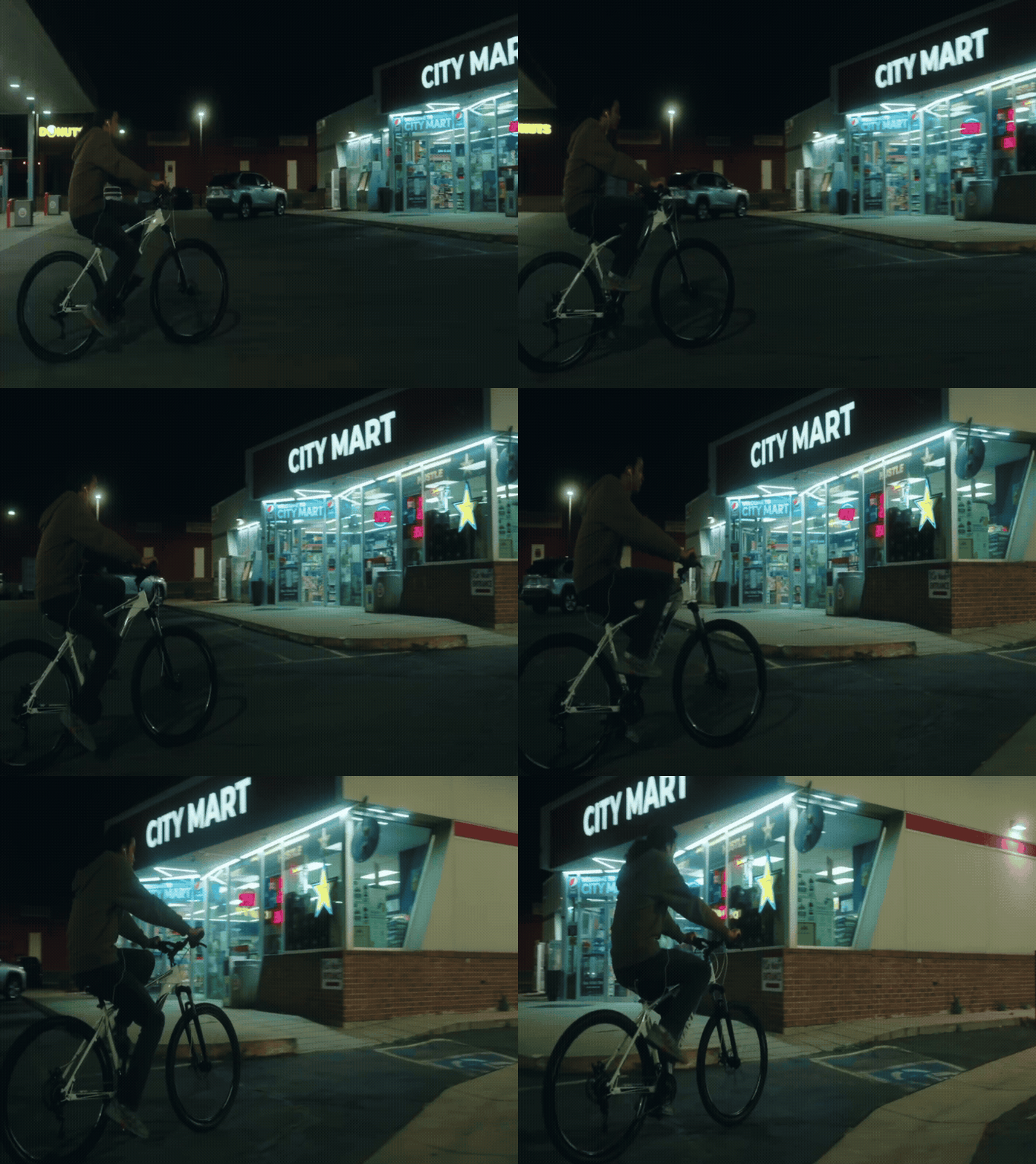
Zoom
Lens changes focal length without moving the camera.
Looks amateur if overused. Use sparingly.
e.g. Anonymous Gift by Michael Kitka
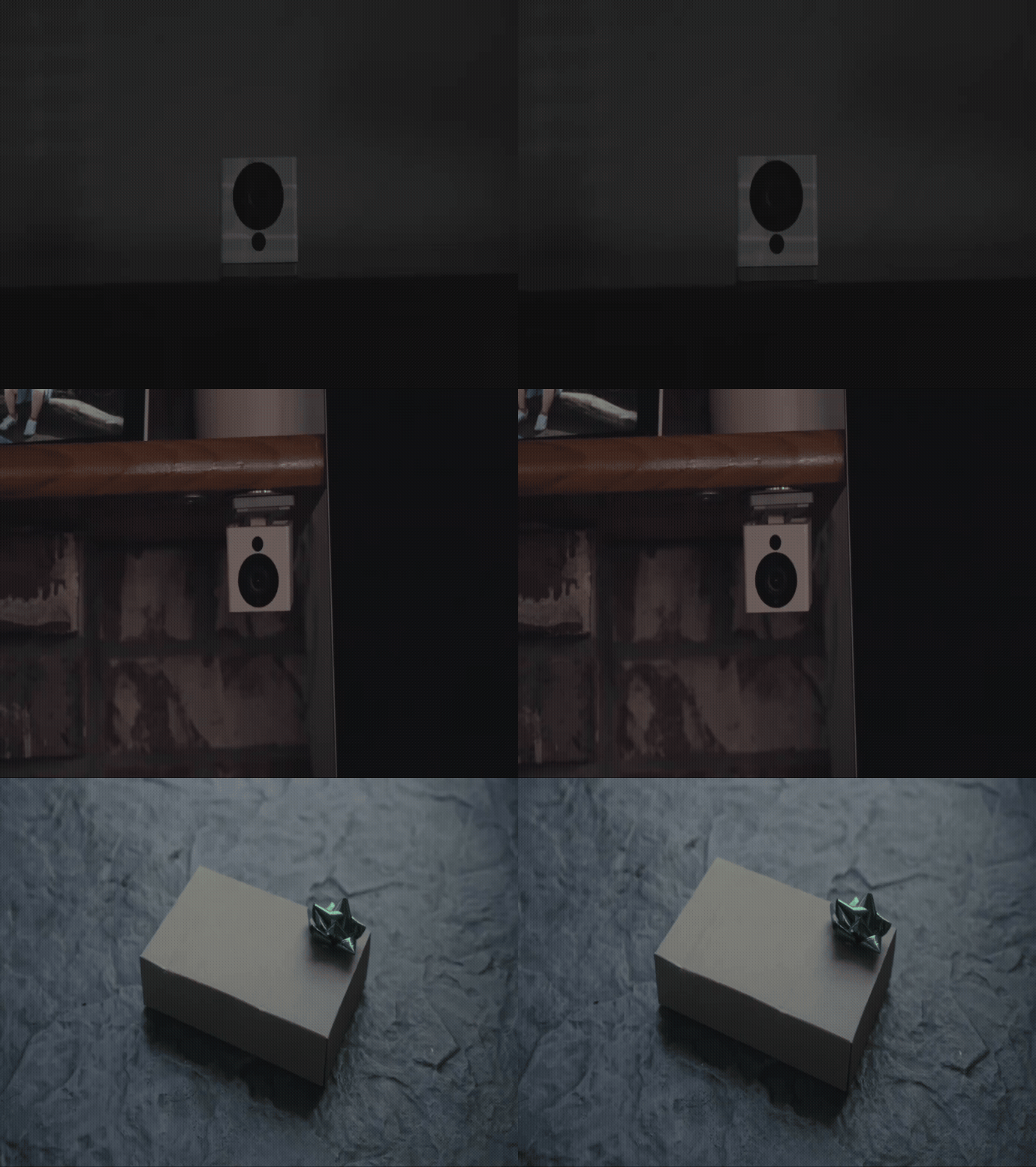
Tilt
Camera moves up or down vertically on a fixed base.
Realistic if on a tripod.
e.g. Kick Me by Jefferies Brothers
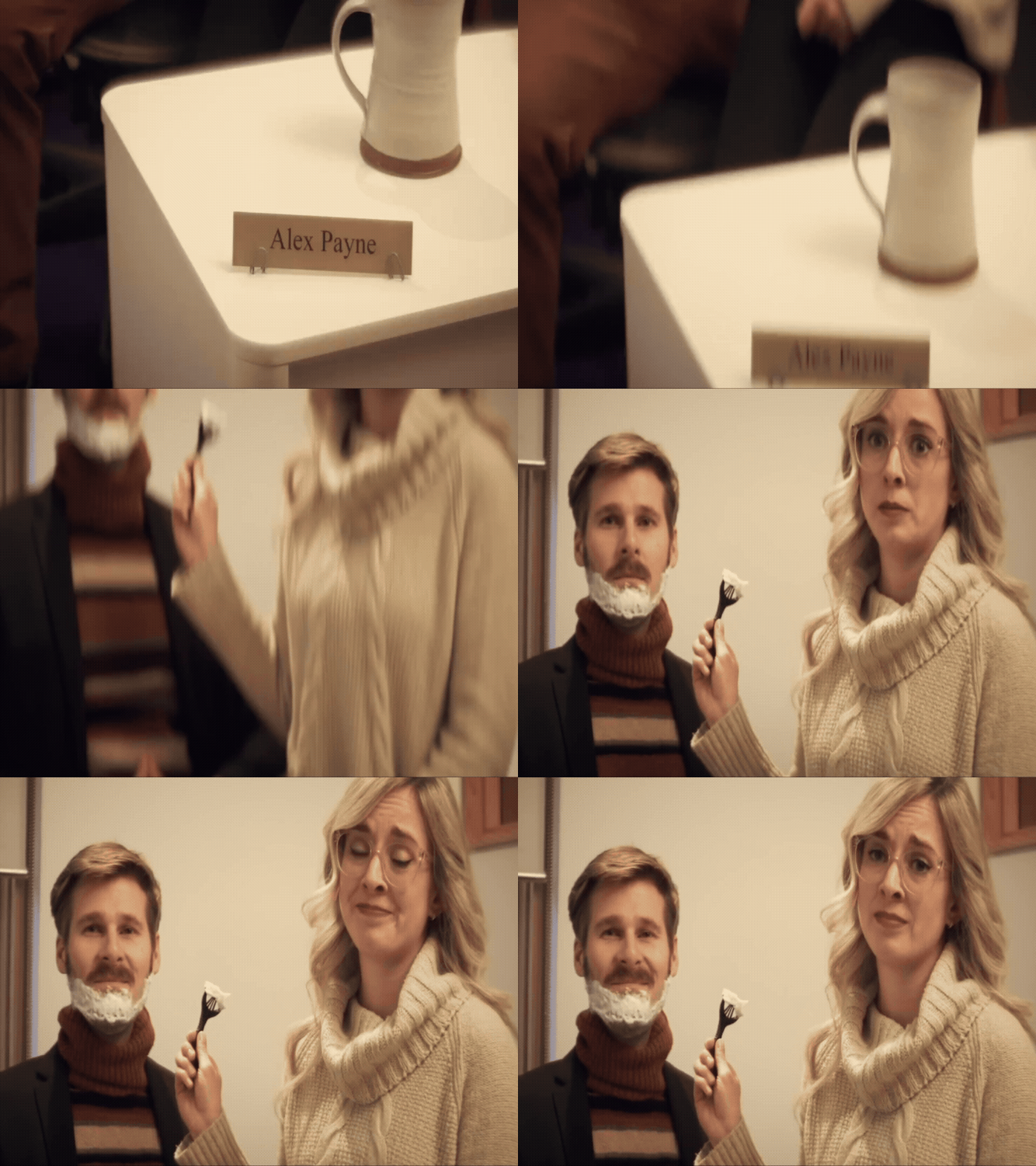
Handheld
Camera is held by hand, creating natural instability.
Realistic, but must be controlled.
e.g. 2 AM COFFEE by Forrain
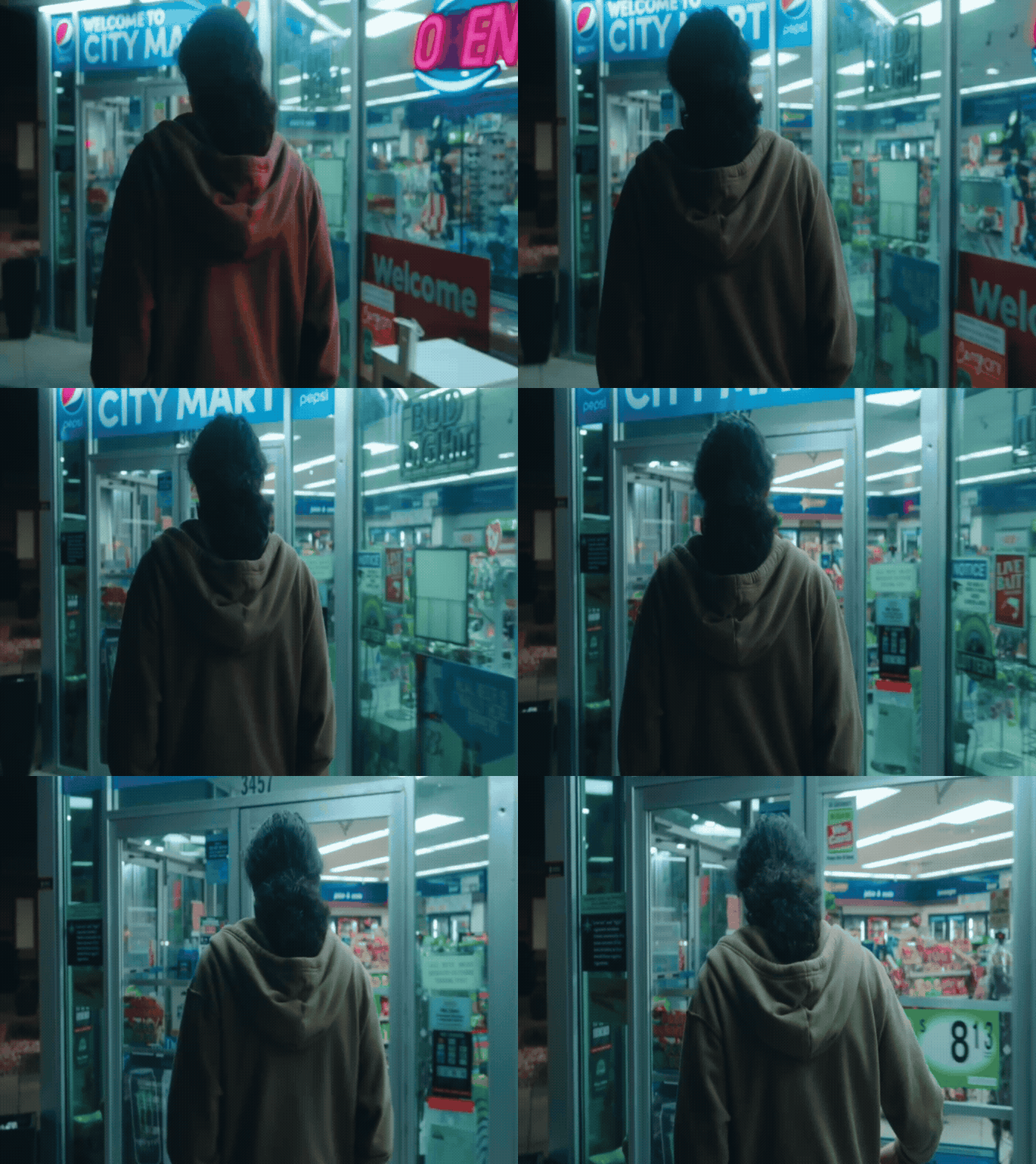
One-Sentence Action Description
One clear sentence describing what happens in the shot. It should be concise and visual.
Action Formula:
Subject + Physical Action + Relevant Object/Environment
e.g. She taps her pencil repeatedly and avoids eye contact with the paper.
Lighting Plan
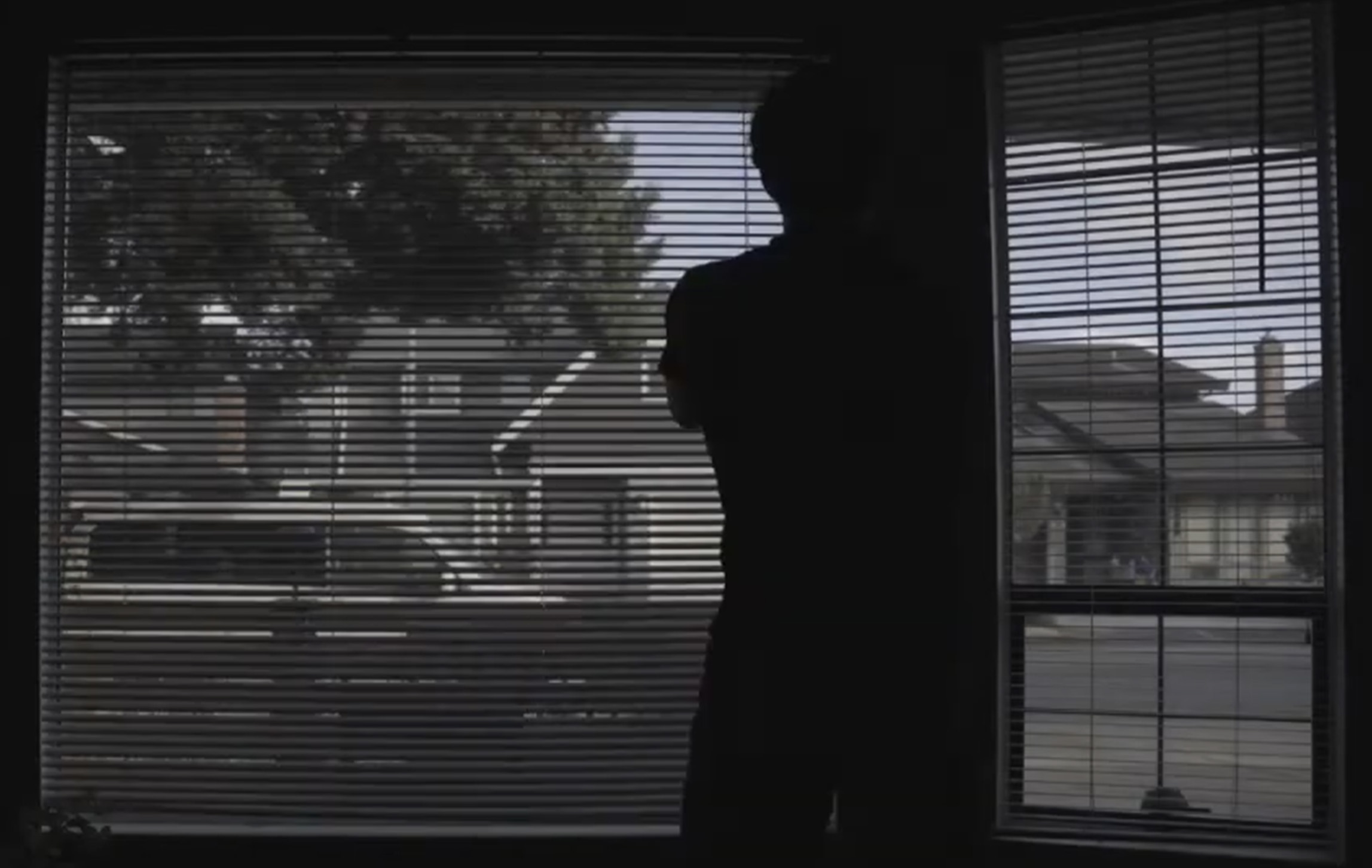
The lighting plan is clear and practical. It identifies the light sources (natural, practical, or artificial), their direction and intensity, and how they shape the scene in relation to the camera and subject.
For your Lighting Plan, be realistic with the available equipment.
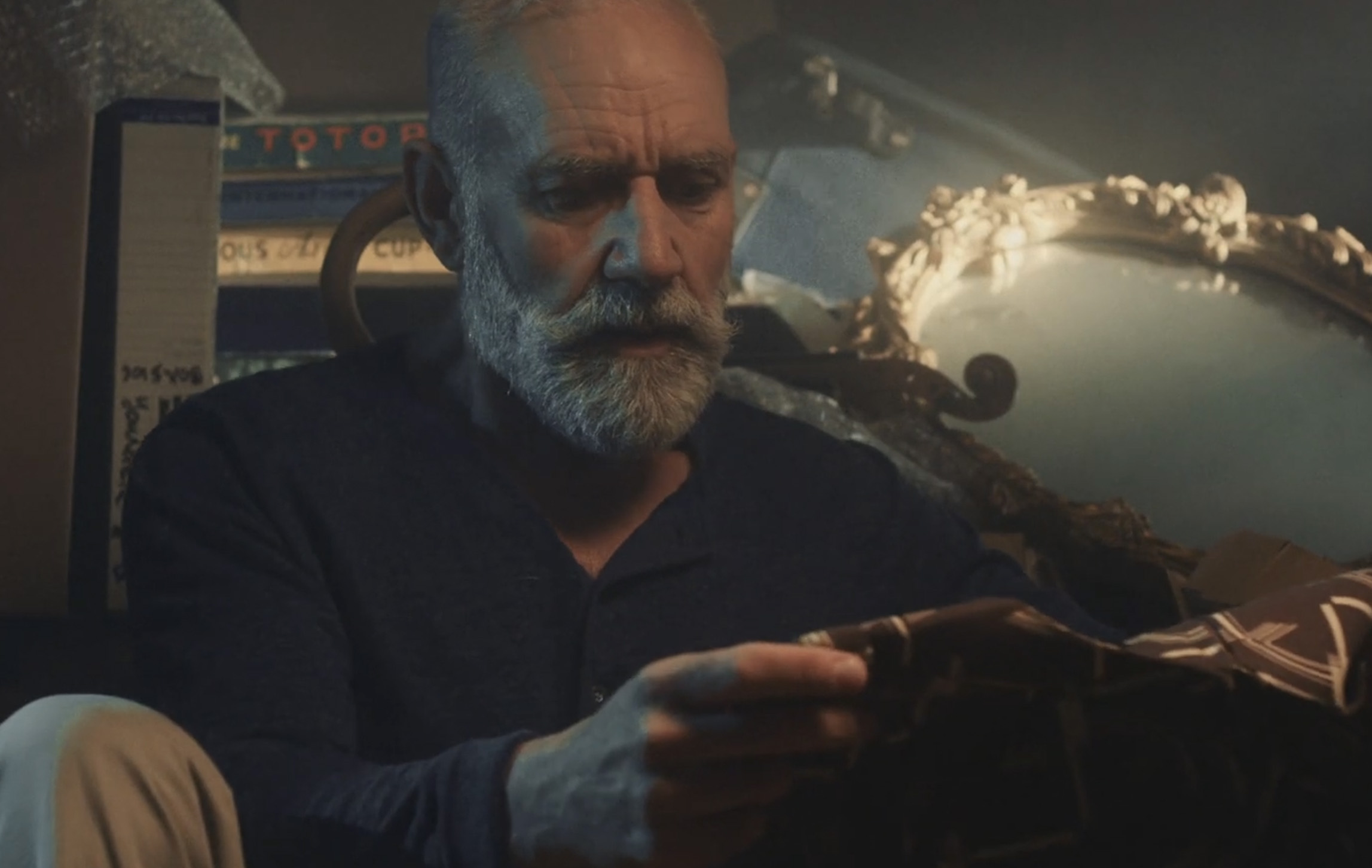
Light Sources
Artificial Lighting
Non-natural light source (LED, tungsten, fluorescent fixtures)
e.g. Breathe by View35 Films
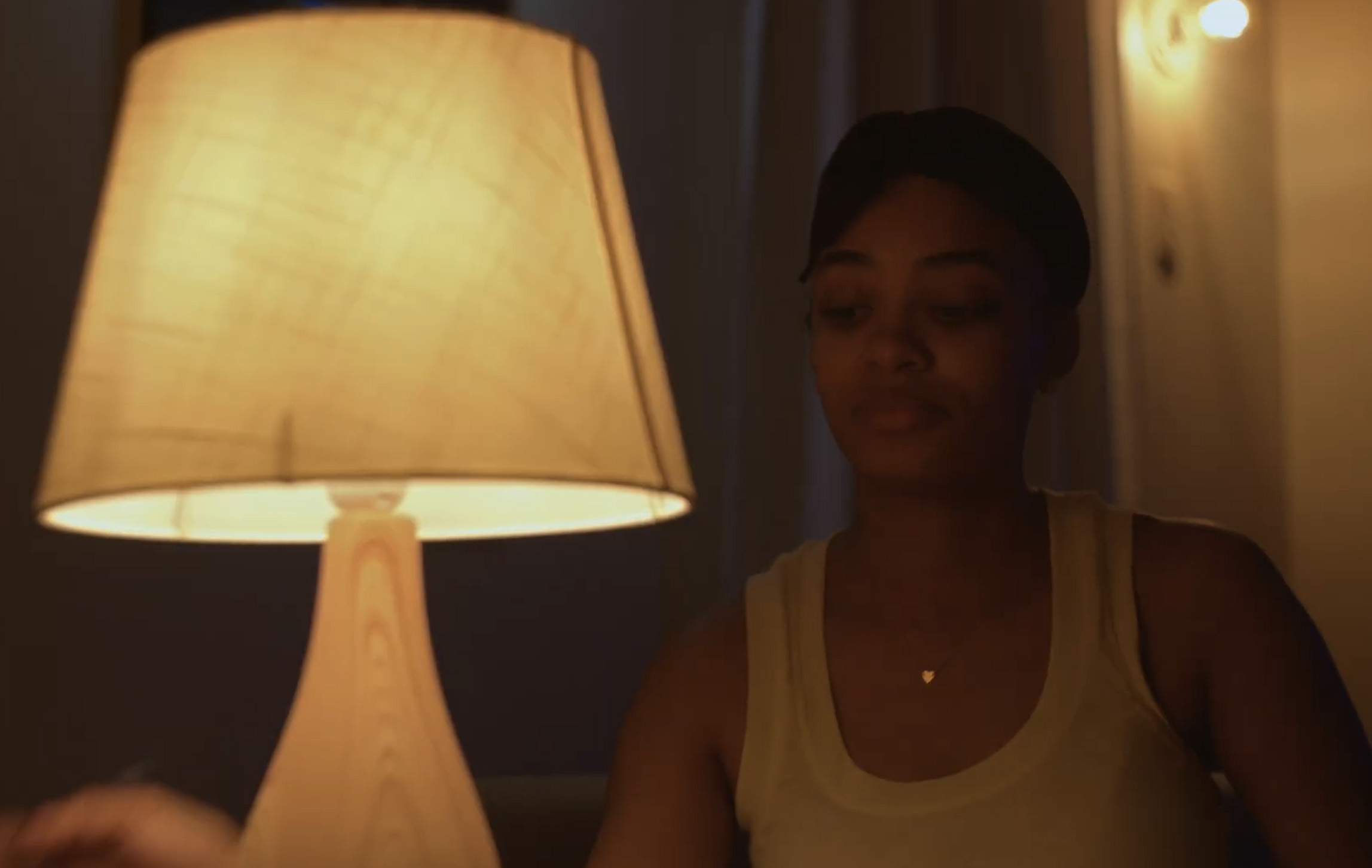
Practical Lighting
Any light source visible within the camera frame (lamps, candles, televisions, streetlights)that serves as part of the set design while illuminating the scene.
ee.g. Unknown by Akil Joefield
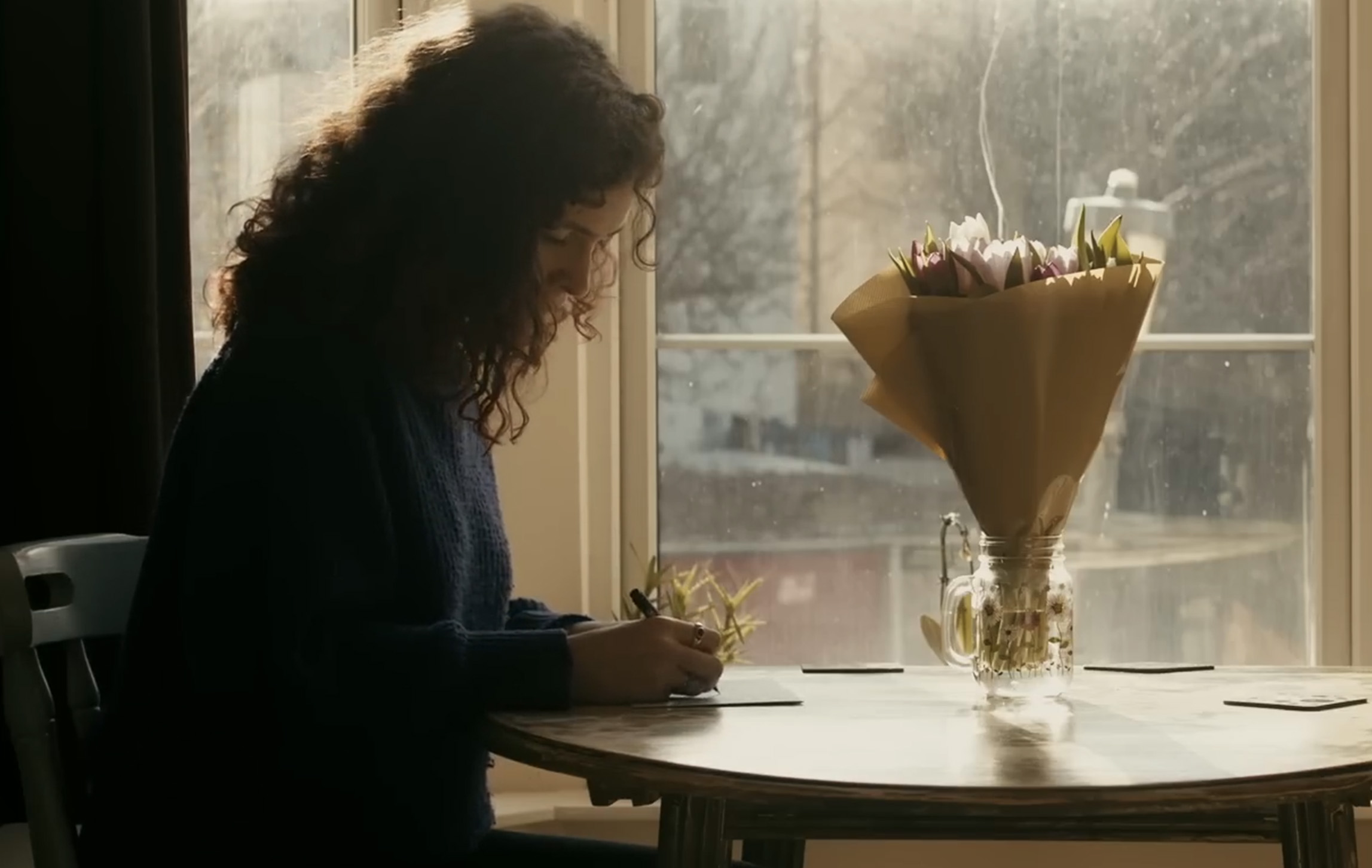
Natural Lighting
Uses non-artificial sources (sunlight, moonlight, or ambient).
e.g. For Milo by Matthew D Gilpin
e.g. Anonymous Gift by Michael Kitka
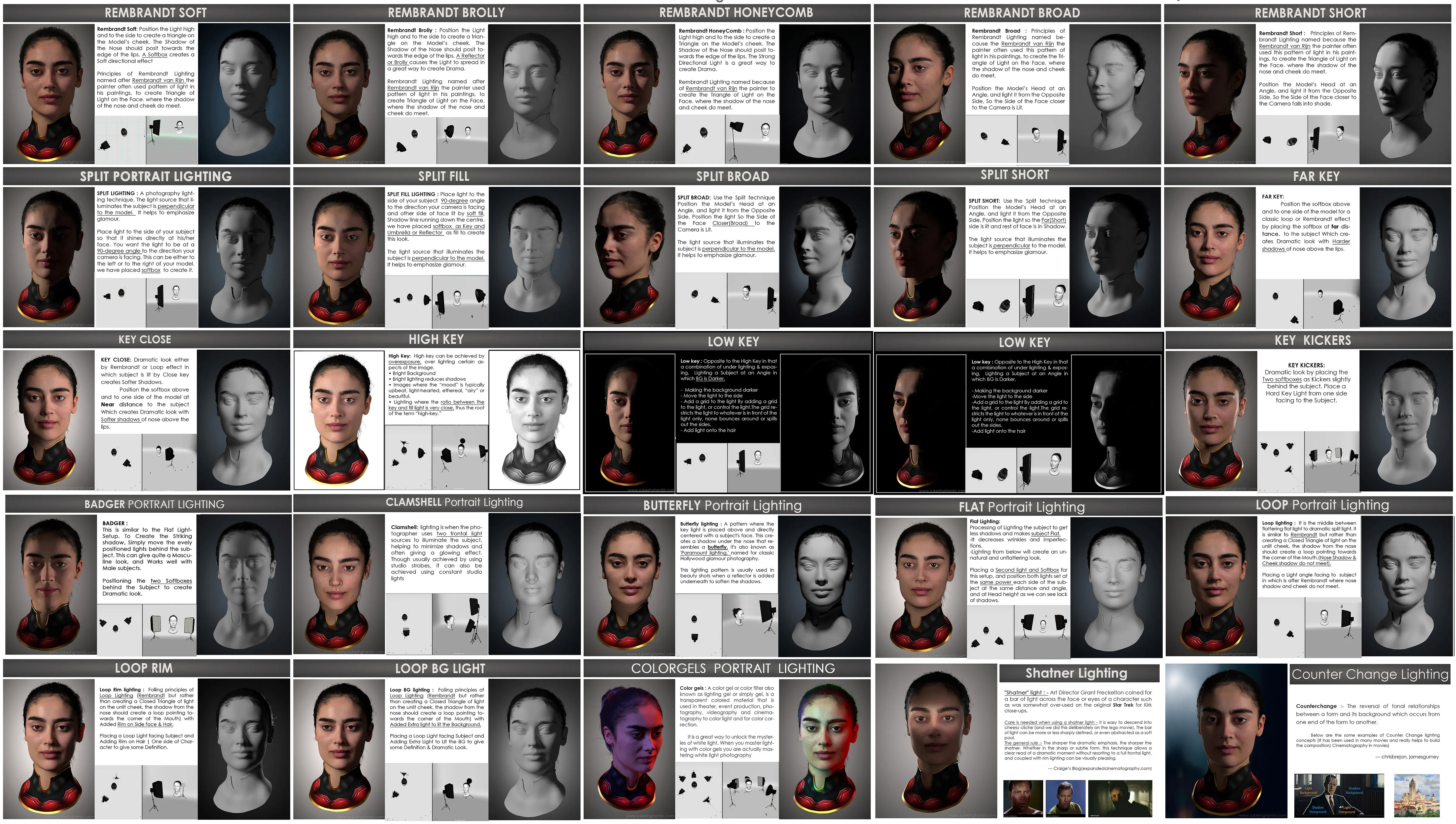
Character Portrait Lighting Setups
🔗 24 Portrait Character Lighting Setups
Sound Plan
The sound plan is concise and functional. It identifies the type of sound, its source (on- or off-screen), and its timing in relation to the visual action.
Non-diegetic sound
Audio that exist outside the word of the scene (music, sound design, voiceover)
e.g. suitcase by Visuall kris
Subtle instrumental underscore. Tension gradually increases, reinforcing the mystery as the camera follows the main character carrying a suitcase.
Specific Sound Cues
Continuous, underlying background noise of a location (wind, crowd chatter, traffic.)
e.g. Jump by Adrian León
On-screen cellphone vibrates and rings sharply, cutting through the steady night's tone.
Diegetic sound
Audio that exists inside the world of the scene. It can be on-screen (visible) or off-screen (not visible).
e.g. Unknown by Akil Joefield
Continuous rain hitting the window (on-screen). Thunder rumbles off-screen. Occasional lightning flash briefly illuminates the window and interior.
Ambience
Continuous, underlying background noise of a location (wind, crowd chatter, traffic.)
e.g. Jump by Adrian León
Park ambience: wind through trees, distant birds. Natural ambience contrasts with the character’s energetic movement
Location Scouting
Location scouting is the process of selecting and evaluating the physical space where your film will be shot.
It is not simply “choosing a place.” It involves assessing whether a location is:
- Visually appropriate for your story
- Practically accessible
- Realistic for lighting
- Suitable for recording sound
- Logistically manageable within your schedule
Location scouting bridges your storyboard and your production reality.
Location Scouting Structure
1. Location Identification
This section specifies the exact filming location. It identifies whether the space is indoor or outdoor, names the building, and indicates the precise room, area, or floor to be used. Its purpose is to confirm that the location is real and accessible rather than conceptual or hypothetical.
2. General Photo of Location
This section includes clear photo(s) of the actual filming space. The images show the full layout, depth of the room, and available framing space. They allow viewers to understand spatial dimensions and how the camera, actors, and equipment can realistically be positioned.
3. Lighting Conditions
This section outlines the existing lighting conditions and evaluates whether they support the intended visual outcome. It identifies natural light sources (direction and intensity), planned time of day, existing practical lights, general colour temperature (daylight, tungsten, mixed, or unknown), and any limitations such as low light, mixed sources, or limited access to power.
4. Sound Environment
This section describes the acoustic conditions of the location and assesses whether clean production sound is achievable. It indicates general noise levels and identifies potential disturbances such as foot traffic, appliances, HVAC systems, street noise, wind, or public activity.
5. Accessibility & Control
This section confirms whether the production can realistically be executed in the space. It states whether filming permission has been obtained and whether lighting and sound can be controlled during production.
Credits: Jessica A. Rodríguez
AI Disclosure:
AI tools (ChatGPT) was used for editing and clarity only. AI is not used to generate original course content.